 DRS Boards
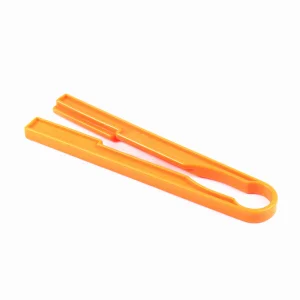
High-performance material lifting, custom polymer implements, and intelligent transportation units configured for Michigan's complex sanitation frameworks.
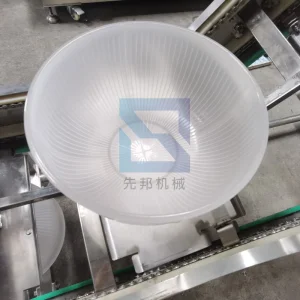
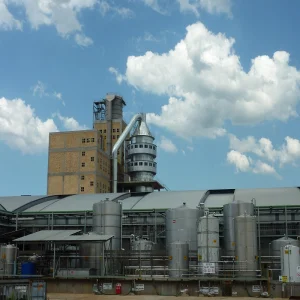
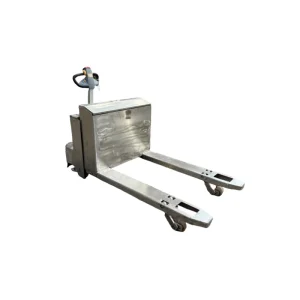
An in-depth look at regulatory shifts, material science breakthroughs, and sanitary design principles shaping modern processing environments.
Detroit, Michigan, is not only a legendary manufacturing powerhouse but also a critical logistical hub for the food and beverage industry in North America. Serving as a crucial gateway between agricultural centers and major eastern metropolitan markets, the Greater Detroit area supports a complex ecosystem of food processing facilities, packaging plants, and bulk agricultural storage units. From historical processing centers to state-of-the-art cold storage hubs, companies operate within an increasingly strict safety and compliance architecture.
For manufacturers operating in this region, tools and handling equipment are subject to intense scrutiny under the Food Safety Modernization Act (FSMA) and guidelines established by the FDA and USDA. Tools used for direct and indirect food contact must be designed to withstand heavy chemical sanitation, resist structural fatigue, and eliminate any possibility of physical, chemical, or biological contamination. The demands of local facilities require a sophisticated understanding of mechanical properties combined with advanced materials engineering.
Globally, the food handling tool sector is transitioning from traditional manual utensils to highly engineered, integrated sanitary solutions. This shift is driven by three main factors:
Selecting food handling tools requires matching material properties to specific process environments. For instance, the use of **polypropylene (PP)** is ideal for lightweight, corrosion-free, and chemical-resistant manual handling. However, high-load, high-temperature, or high-abrasion environments demand premium stainless steels (primarily **SUS304** and **SUS316**). Our engineers carefully analyze the thermal cycles, sanitation chemicals (such as peracetic acid, sodium hypochlorite, and caustic soda washes), and physical stress profiles to recommend the optimal tool composition for your plant.
How our technical framework ensures compliance, reduces downtime, and prevents product recalls.
Designed with zero-crevice structures and smooth polished surface finishes (Ra < 0.8 µm) to prevent bacterial adhesion and streamline washdown procedures.
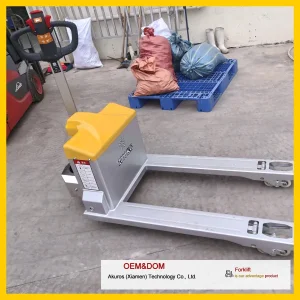
Electric pallet trucks and custom heavy vertical elevators optimized for continuous bulk material handling under high load conditions.
Complete documentation for raw materials, heat codes, and polymer certificates (FDA/LFGB) to satisfy external audits and regulatory standards.
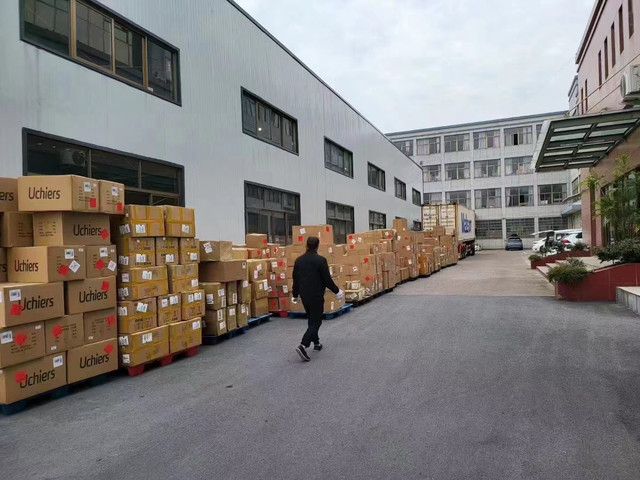
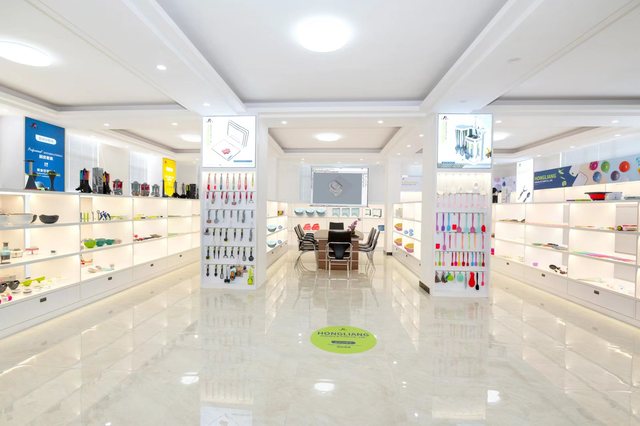
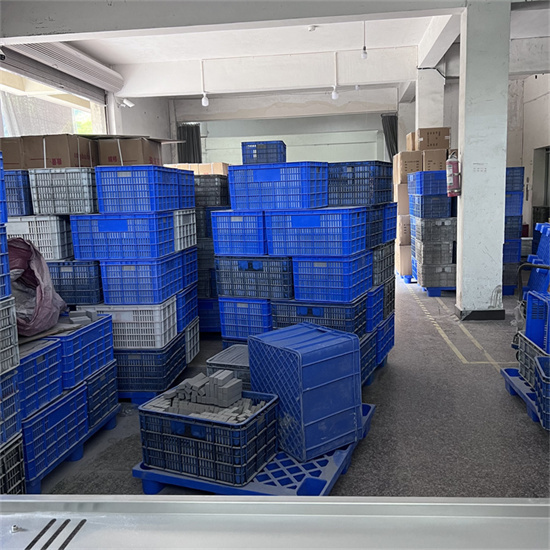
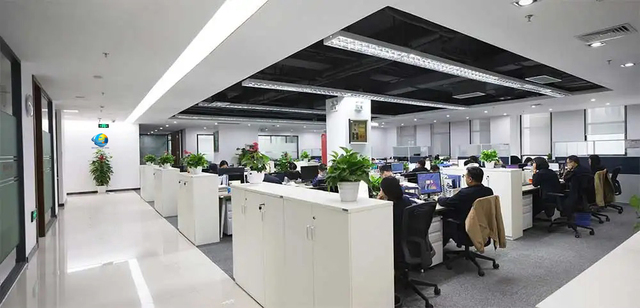
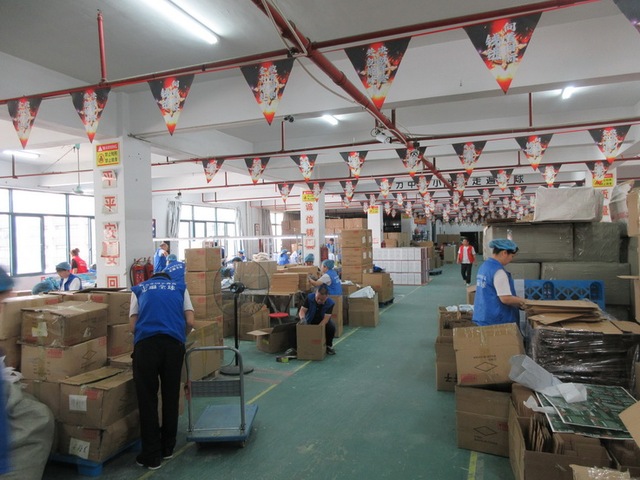
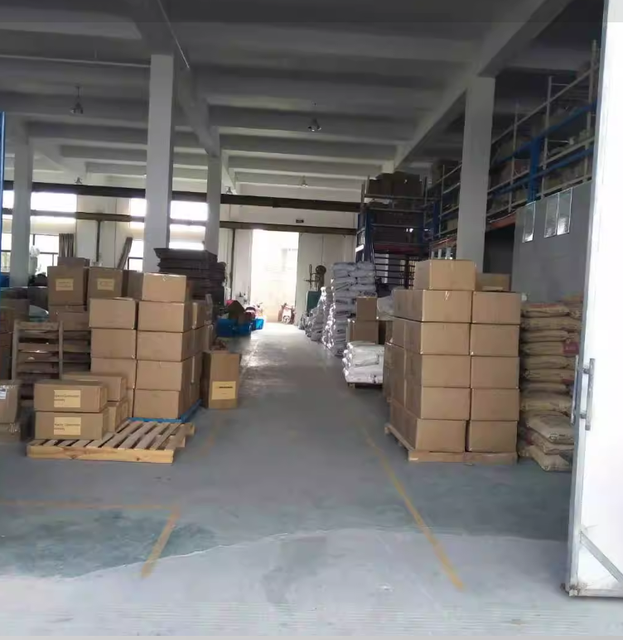
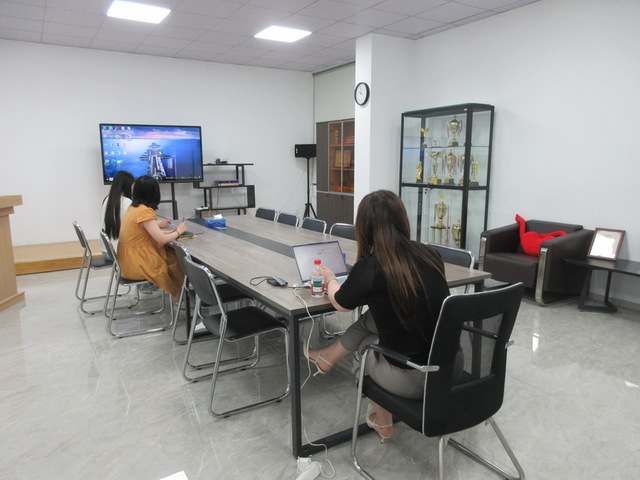
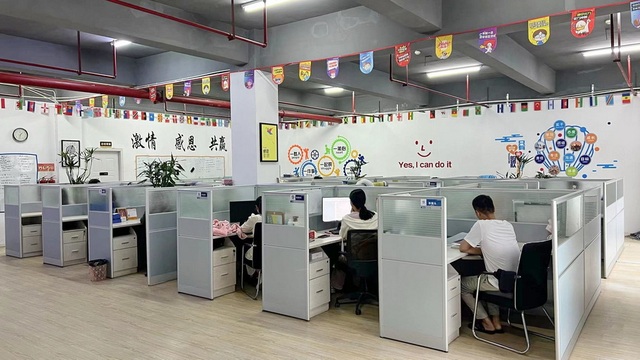
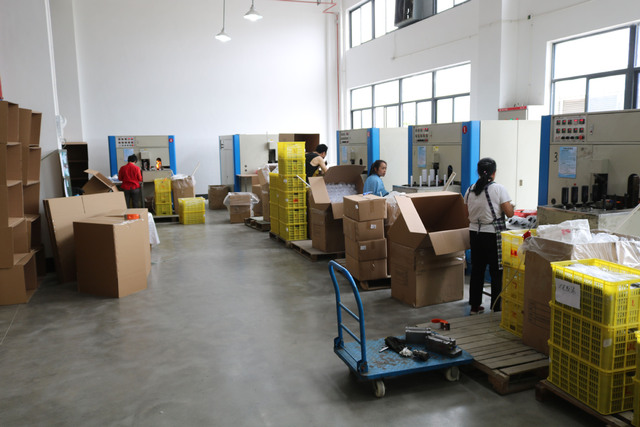
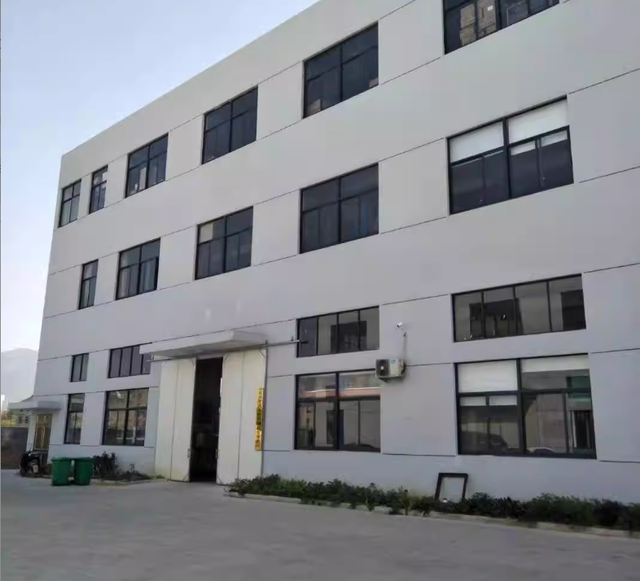
Integrating advanced production facilities with strict international compliance frameworks.
Founded in 2007, Hangzhou DRS Boards Co., Ltd. stands as an industry pioneer with nearly two decades of mastery in wood craftsmanship, delivering artisanal cutting solutions to premium kitchens worldwide.
At our core lies the production of ethically sourced, FSC-validated hardwood boards engineered through proprietary techniques for unmatched resilience and hygienic food preparation. The facility operates under global compliance frameworks covering environmental stewardship (FSC, EC/EU) and consumer safety (FDA, LFGB, REACH, BSCI).
Partnered with luxury culinary brands, we redefine kitchen essentials through sustainable innovation. Our closed-loop production system – spanning responsibly harvested timber to meticulous craftsmanship – ensures every piece embodies both ecological integrity and timeless utility.

Advancing material science and smart monitoring integrations for the next generation of food processing facilities.
Our upcoming engineering roadmap features smart sensor nodes integrated directly into bucket elevator systems and electric material handling trucks. By monitoring real-time metrics such as motor temperature, belt tension, and vibration analysis, plants in Detroit and around the globe can implement predictive maintenance schedules. This directly reduces unplanned downtime, which is critical in perishable food environments.
While food safety is paramount, environmental impact remains a major focus. Our material research labs are actively testing bio-based food-grade polymers that maintain structural strength and chemical resistance to industrial sanitizers while offering enhanced end-of-life recycling options. By utilizing ethically managed supply chains, we help clients meet carbon reduction targets without compromising on quality.
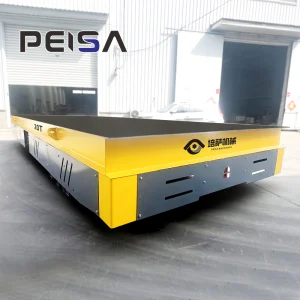
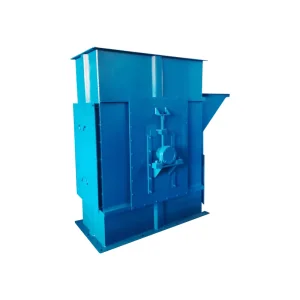
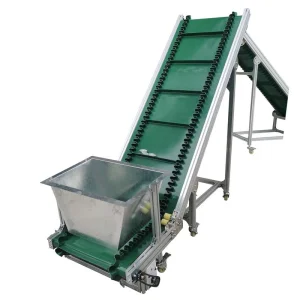
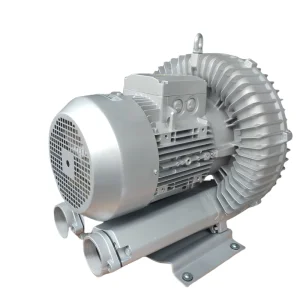
Industrial vertical bucket elevators, transfer trolleys, and specialized vacuum blowers built to demanding processing standards.

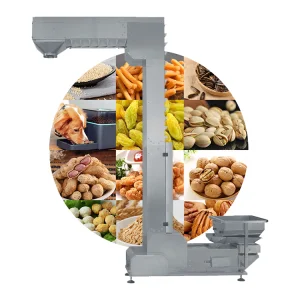
Optimizing throughput and keeping down-time to a minimum across specialized food industry applications.
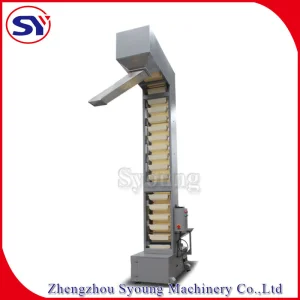
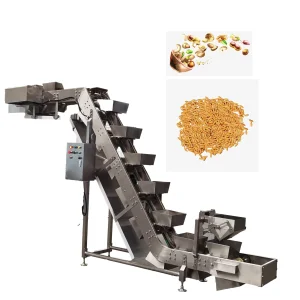
Designed for granular foods, grain facilities, and flour processing hubs. Our Z-type and vertical bucket elevators prevent product damage while keeping dust accumulation to a minimum to comply with explosion-proof standards (ATEX/NFPA).
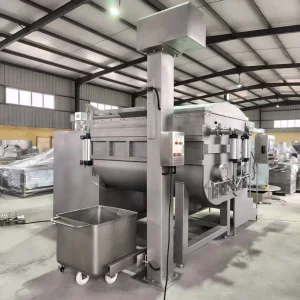
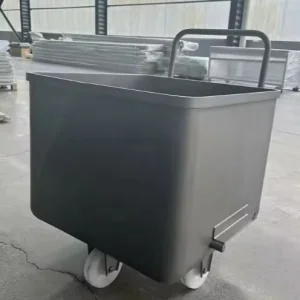
Our heavy-duty meat carts and stainless steel handling equipment are built to handle daily high-pressure, chemical sanitation cycles. High-grade SUS304 welding ensures smooth transitions and eliminates joint crevices.
Offering specialized equipment for bakeries and production lines, including easy-handling aluminum baking pans, transfer trolleys, and high-efficiency material handling tools.
Get answers to common technical, regulatory, and design questions about industrial food handling systems.
Food-grade materials must be chemically inert and free from substances that could leach into food products under normal operating temperatures and cleaning cycles. For polymers (like our polypropylene tools), this requires compliance with FDA 21 CFR 177.1520 and EU Regulation 10/2011. For metals, it requires specific composition limits (such as SUS304 or SUS316 stainless steel) and a polished surface roughness (typically Ra < 0.8 microns) to prevent bacterial harborage.
Our food-grade Z-type bucket elevators feature split-bucket designs for easy removal, toolless access doors for routine sanitation, and clean-in-place (CIP) spray assemblies. The bucket materials are FDA-approved polymers with antimicrobial properties, and the housing is manufactured from bead-blasted or polished SUS304 stainless steel, which eliminates crevices where organic residues can build up.
Cold storage facilities (typically operating between 0°F and -20°F) require equipment with moisture-resistant electronics, specialized low-temperature lubricants, and materials that resist low-temperature embrittlement. Our stainless steel electric pallet jacks and handling tools are engineered to prevent condensation buildup when moving between temperature zones, reducing the risk of component corrosion and bacterial growth.
We work closely with food processing plants to design custom handling tools. Utilizing advanced CAD modeling, 3D prototyping, and FEA (Finite Element Analysis) stress testing, we develop tools tailored to specific physical constraints, weight capacities, and sanitation protocols. This ensures custom designs integrate smoothly into existing assembly lines.