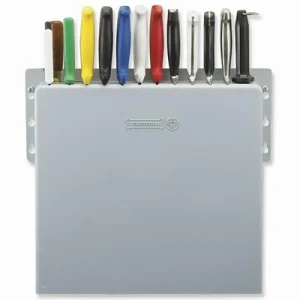
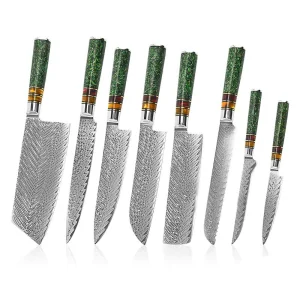
Discover premium components and foundational kitchenwares engineered to match rigorous FDA, LFGB, and CE certifications globally.
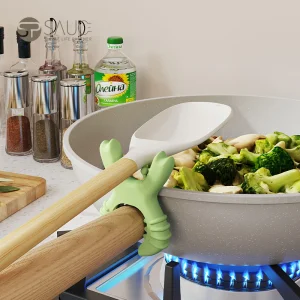
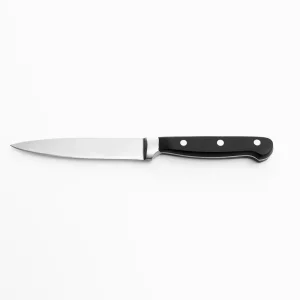
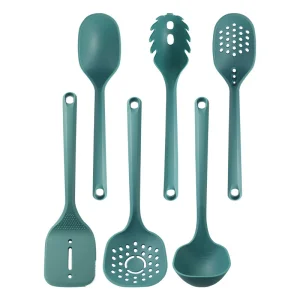
The global kitchen appliance sector is undergoing a profound paradigm shift. What once was a simple thermo-mechanical device designed to boil water and expand starch molecules has transformed into a highly integrated, sensor-driven cooking system. Today’s international buyers do not merely purchase "rice cookers"; they secure advanced micro-computerized thermal processors designed to optimize nutrient extraction, regulate heat indexes, and interface seamlessly with broader smart home ecosystems.
In major metropolitan markets throughout North America, Western Europe, and East Asia, user intent patterns indicate a surge in demand for appliances that offer multi-functional culinary outcomes. Global consumers seek versatility—demanding the capability to cook brown rice, GABA grains, quinoa, and porridge with dedicated thermal algorithms. From a supply chain perspective, the top manufacturing regions of China have met this demand by investing heavily in R&D, precision metal forming, and PCB design.
To understand why Chinese suppliers lead the global market, it is critical to dissect the core technological systems that dictate modern cooker manufacturing. Below is a comprehensive matrix detailing the progression from traditional resistive heating to advanced AI-enabled induction systems.
Enterprise buyers—ranging from restaurant groups and white-label home appliance brands to multinational supermarkets—face complex compliance frameworks when sourcing from Asian suppliers. The cost of a recall or regulatory seizure at a destination port dwarfs the marginal cost of robust pre-shipment quality assurance.
For this reason, elite Chinese manufacturers prioritize internationally recognized standards. When evaluating a potential supplier, your procurement matrix should demand compliance certificates covering:
The concept of "Factory 4.0" is no longer a marketing buzzword; it is a structural reality within China's premier industrial clusters (primarily situated in Guangdong's Pearl River Delta and the Yangtze River Delta). Modern rice cooker assembly is highly automated, deploying robotic arms for plastic injection molding, automated inner pot metal stamping, and computerized vision testing systems to scan PCB traces for micro-defects.
This level of vertical integration creates immense supply chain resilience. A typical Tier-1 factory in China coordinates its Bills of Materials (BOM) within a tight geographical radius, minimizing exposure to international logistics friction. Whether sourcing microchips, heating elements, or high-end outer chassis housings, all components are manufactured, tested, and assembled with rapid turnaround.
In the premium and luxury kitchenware segments, a significant trend has emerged: "Eco-Luxury Aesthetics." Modern consumers increasingly reject cold, sterile plastic housings in favor of organic, tactile elements. This has led to the strategic integration of wood craftsmanship in high-end rice cooker design, premium presentation containers, and accessory kits.
Founded in 2007, Hangzhou DRS Boards Co., Ltd. stands as an industry pioneer with nearly two decades of mastery in wood craftsmanship, delivering artisanal cutting solutions and customized premium kitchenware accessories to premium brands worldwide.
At our core lies the production of ethically sourced, FSC-validated hardwood boards engineered through proprietary techniques for unmatched resilience and hygienic food preparation. The facility operates under global compliance frameworks covering environmental stewardship (FSC, EC/EU) and consumer safety (FDA, LFGB, REACH, BSCI).
Partnered with luxury culinary brands, we redefine kitchen essentials through sustainable innovation. Our closed-loop production system – spanning responsibly harvested timber to meticulous craftsmanship – ensures every piece embodies both ecological integrity and timeless utility.
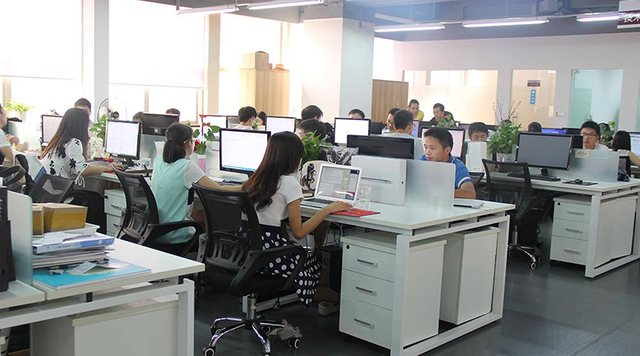
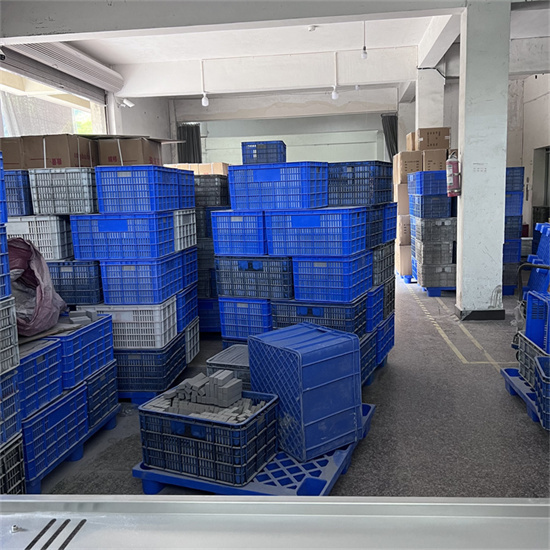
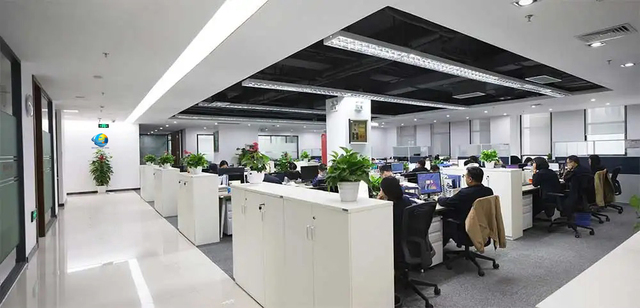
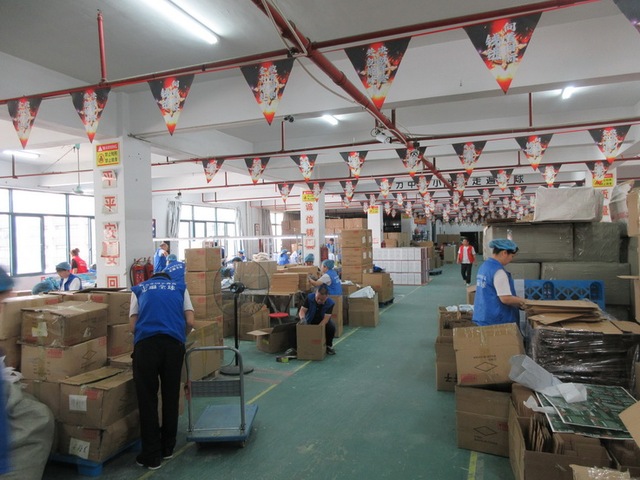
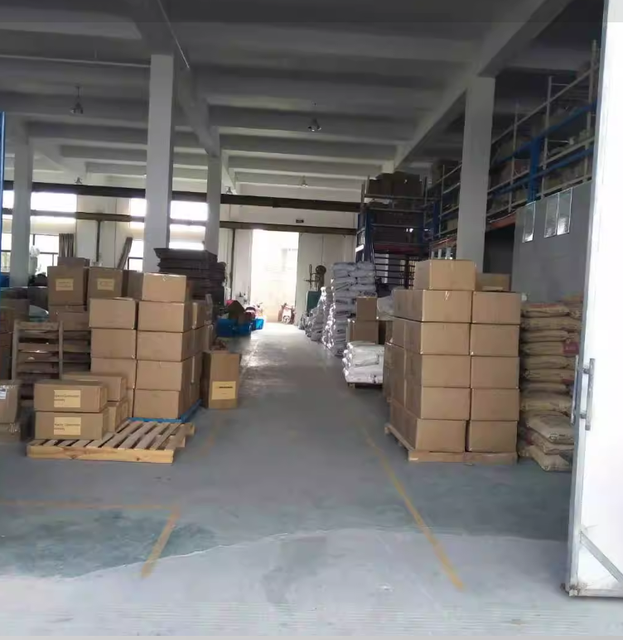
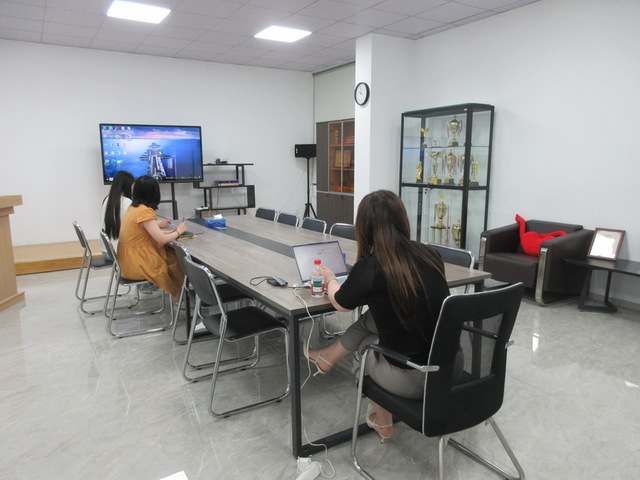
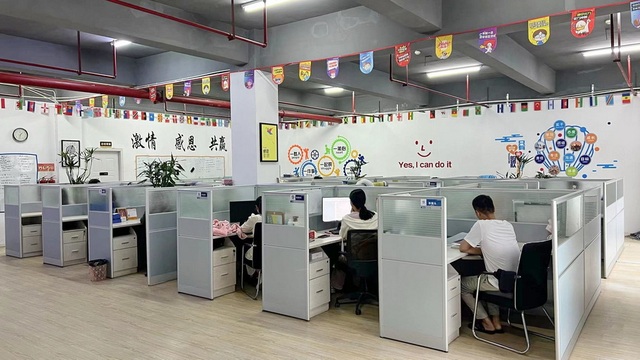
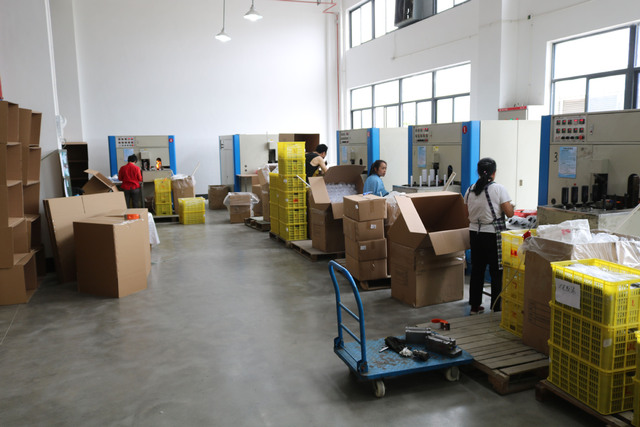
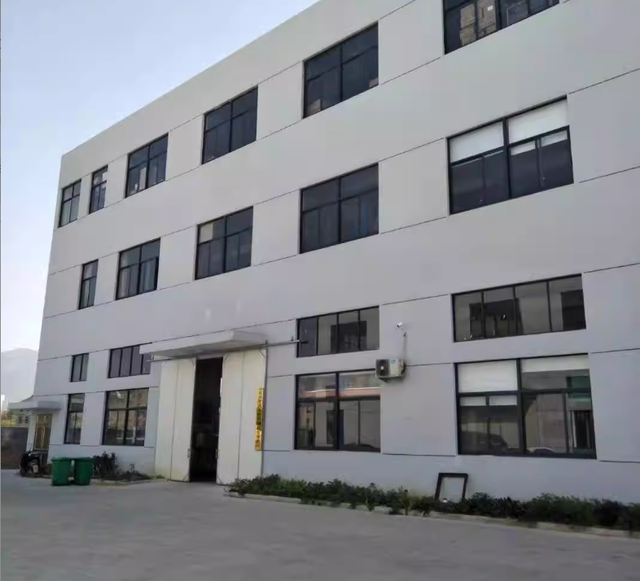
Below is an overview of our state-of-the-art timber processing facilities, quality inspection lines, and raw wood stockrooms, showing how raw materials are refined into compliant, high-end components.
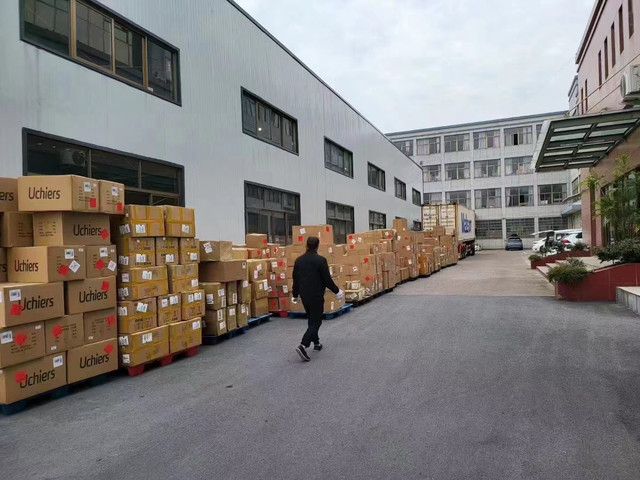
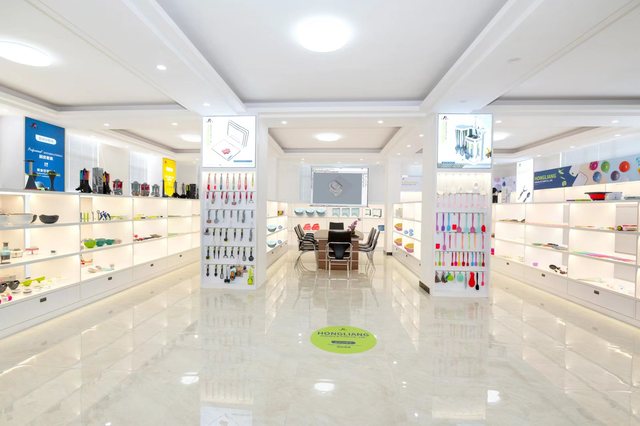
Sourcing strategies must diverge depending on the end-user environment. A domestic household device differs significantly from an industrial steam cooker or commercial kitchen layout. Below is a breakdown of target usage scenarios to align your engineering orders with market demands.
Commercial kitchens in hotels, hospitals, and high-volume dining establishments require industrial-grade durability. In these settings, cookers are subjected to constant, high-temperature thermal loads. The key priorities here are high-tensile 304/316 stainless steel housings, thick double-layered non-stick inner pots, and simplified mechanical interfaces that reduce the possibility of operator error.
Modern consumers value compact, visually appealing kitchenware that integrates into smart home setups. High-resolution touch panels, customizable presets, IoT-enabled control via mobile apps, and stylish natural wood accents (such as those supplied by Hangzhou DRS Boards Co., Ltd.) are crucial features for premium residential retail.
Examine our broader range of commercial food prep machinery, medical instruments, and high-performance kitchenware.

 DRS Boards