The global market for vegetable cutting tools has undergone a seismic shift from rudimentary manual implements to high-precision, AI-integrated food processing systems. As of 2024, the industry is valued at several billion dollars, driven by the surging demand for "ready-to-eat" (RTE) produce and the explosion of the commercial food service sector. China, as the world’s primary manufacturing hub, now produces over 60% of the world's vegetable cutting machinery and premium kitchen cutlery.
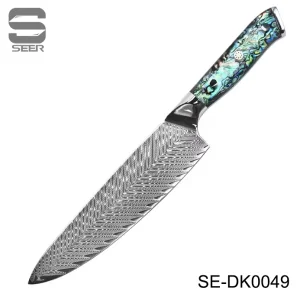
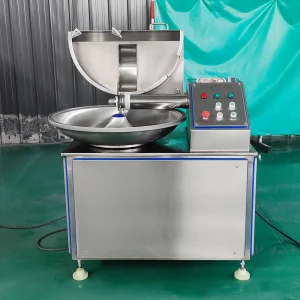
Manufacturers in China have transitioned from low-cost mass production to a focus on "Information Gain"—providing specialized equipment that optimizes yield, reduces food waste, and ensures strict hygiene compliance. From the artisanal craftsmanship of Damascus steel knives to industrial-scale meat bowl cutters, the technological depth available today serves a diverse spectrum of users: from Michelin-star chefs to large-scale food processing plants.
Utilization of 440C stainless steel and VG-10 cobalt cores for edge retention and corrosion resistance in humid kitchen environments.
Integration of computer vision in industrial cutters to identify produce defects and optimize cutting paths for maximum throughput.
Focus on FSC-certified hardwoods and recyclable polymers, aligning with global ESG (Environmental, Social, and Governance) standards.
The future of vegetable cutting tools is defined by three core pillars: Ergonomics, Material Innovation, and Smart Integration. Current research and development are focused on reducing repetitive strain injuries (RSIs) for professional chefs through optimized handle geometry and weight distribution.
Technically, we are seeing the rise of ultrasonic cutting technology. By vibrating the blade at 20,000 to 40,000 times per second, manufacturers can achieve perfectly clean cuts on delicate vegetables without crushing the cell structure, preserving nutrition and extending shelf life. Furthermore, antimicrobial coatings (such as silver-ion technology) are being applied to both blades and cutting boards to prevent cross-contamination in high-volume environments.
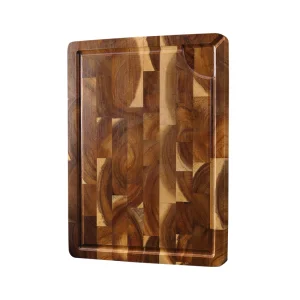
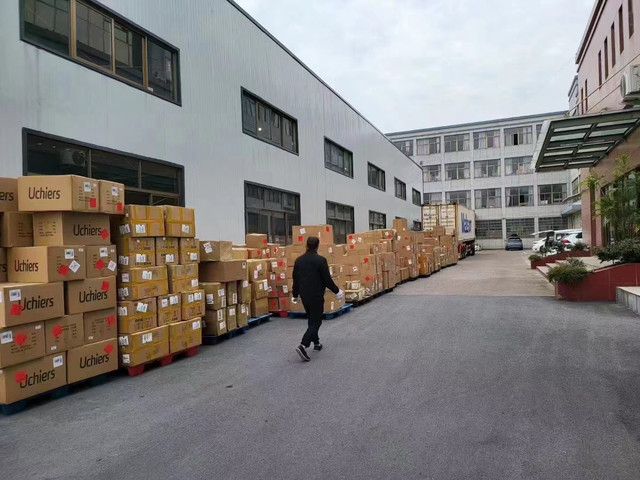
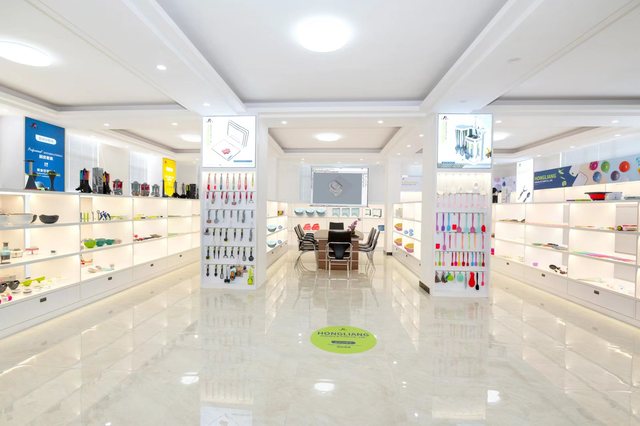
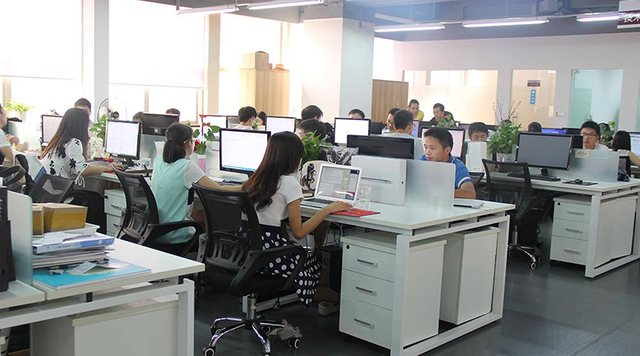
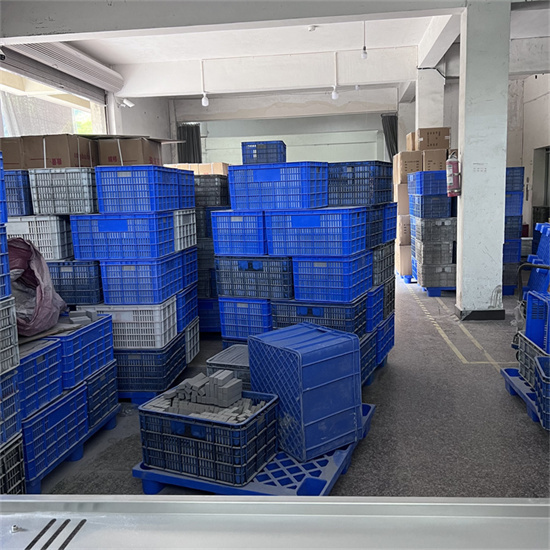
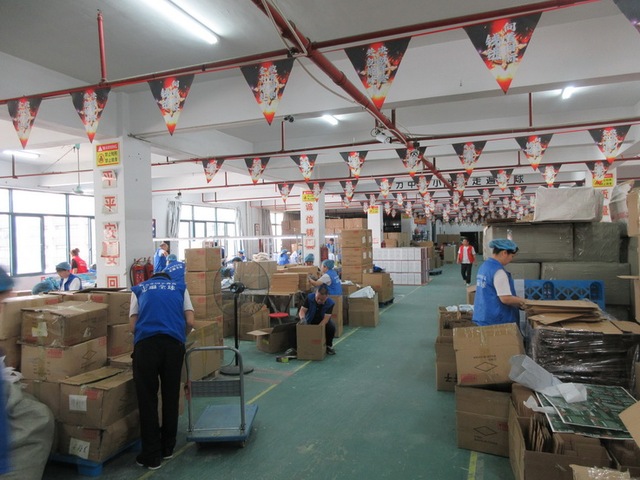
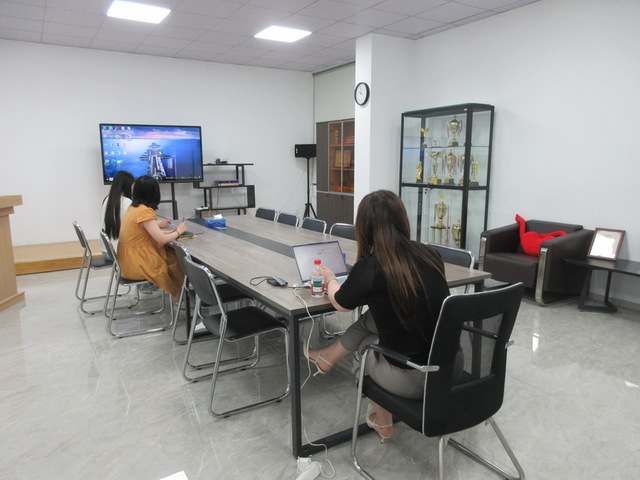
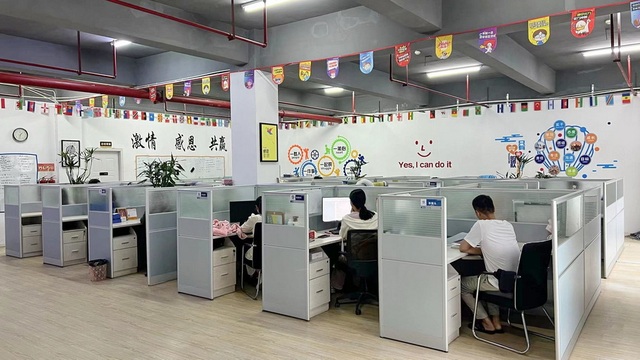
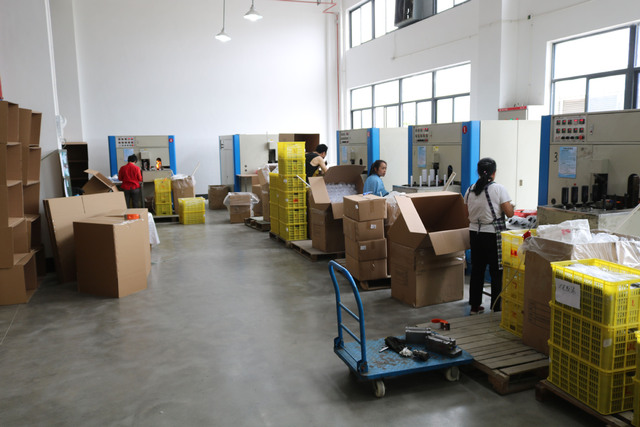
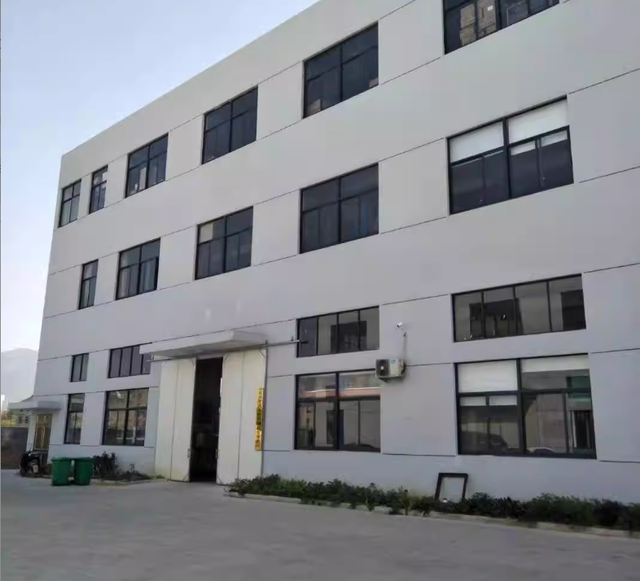
Founded in 2007, Hangzhou DRS Boards Co., Ltd. stands as an industry pioneer with nearly two decades of mastery in wood craftsmanship, delivering artisanal cutting solutions to premium kitchens worldwide.
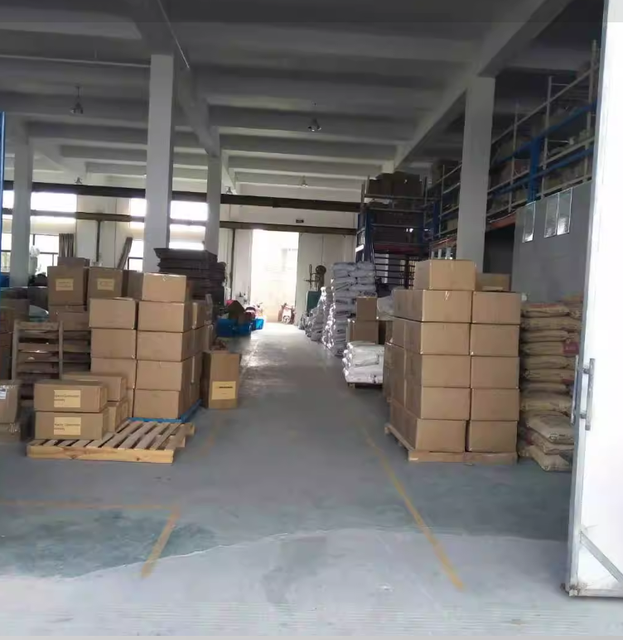
At our core lies the production of ethically sourced, FSC-validated hardwood boards engineered through proprietary techniques for unmatched resilience and hygienic food preparation. The facility operates under global compliance frameworks covering environmental stewardship (FSC, EC/EU) and consumer safety (FDA, LFGB, REACH, BSCI).
Partnered with luxury culinary brands, we redefine kitchen essentials through sustainable innovation. Our closed-loop production system – spanning responsibly harvested timber to meticulous craftsmanship – ensures every piece embodies both ecological integrity and timeless utility.
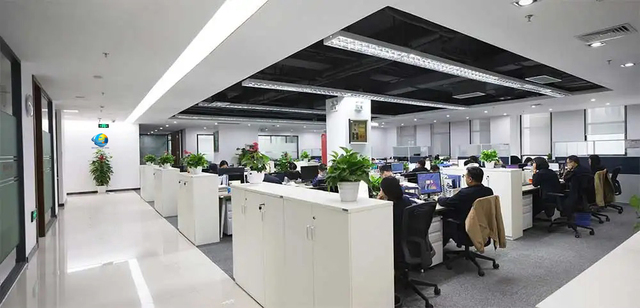
Vegetable cutting requirements vary drastically across global markets. In the North American and European markets, there is a heavy emphasis on Safety Standards (NSF, CE) and ease of cleaning. China’s leading manufacturers now offer modular equipment that can be adapted to local specificities—such as adjustable slicing thickness for Asian stir-fry versus precise cubing for Western salads.
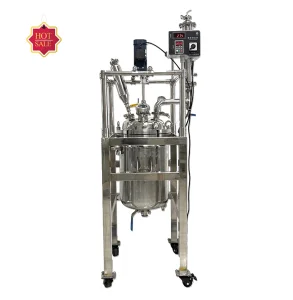
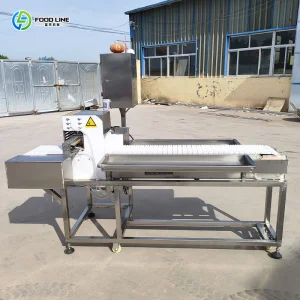
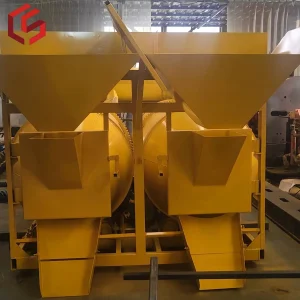
For industrial clients, we provide "Turnkey Solutions." This includes everything from the raw material preparation (washing and peeling machines) to the final output (cutting and packaging). Our industrial meat bowl cutters and asphalt mixing plants (for infrastructure needs) showcase the breadth of engineering capability within the Chinese manufacturing cluster, ensuring that every tool is built for the specific load and duty cycle of its environment.
 DRS Boards