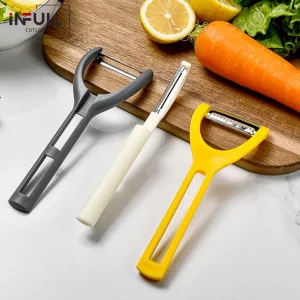
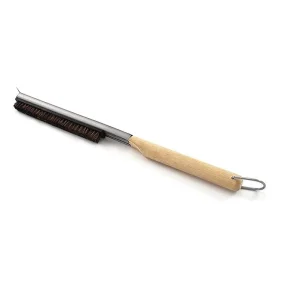
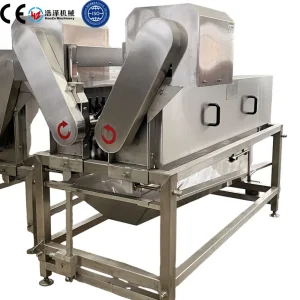
High-precision culinary instruments engineered for global B2B supply chains.
An in-depth analysis of global procurement, material science, and manufacturing integration.
Founded in 2007, Hangzhou DRS Boards Co., Ltd. stands as an industry pioneer with nearly two decades of mastery in wood craftsmanship, delivering artisanal cutting solutions to premium kitchens worldwide. At our core lies the production of ethically sourced, FSC-validated hardwood boards engineered through proprietary techniques for unmatched resilience and hygienic food preparation.
The facility operates under global compliance frameworks covering environmental stewardship (FSC, EC/EU) and consumer safety (FDA, LFGB, REACH, BSCI). Partnered with luxury culinary brands, we redefine kitchen essentials through sustainable innovation. Our closed-loop production system – spanning responsibly harvested timber to meticulous craftsmanship – ensures every piece embodies both ecological integrity and timeless utility.
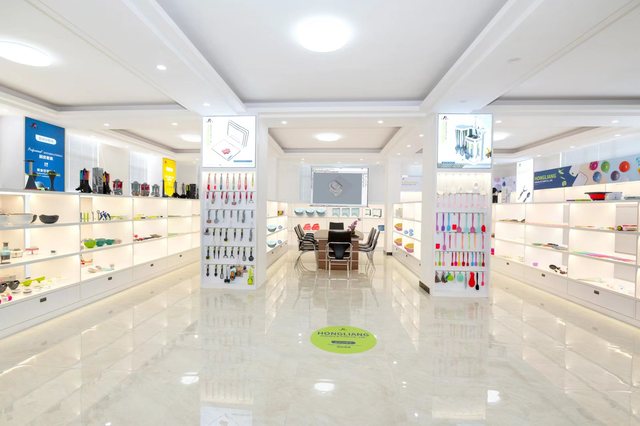

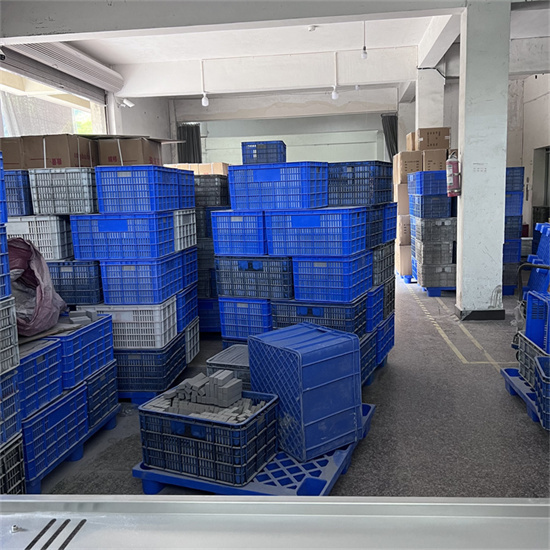
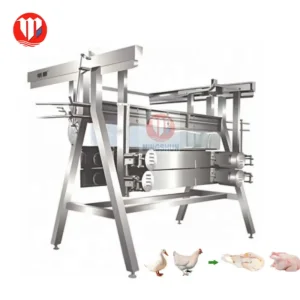
The global culinary tools market has transitioned from a utility-driven commodity sector into a high-tech manufacturing ecosystem. In 2024, the demand for professional-grade kitchenware—ranging from SUS304 poultry processing tools to advanced carbon-steel cutlery—is driven by two primary forces: the expansion of the global HORECA (Hotel, Restaurant, and Catering) sector and the rising consumer preference for "Chef-grade" domestic equipment.
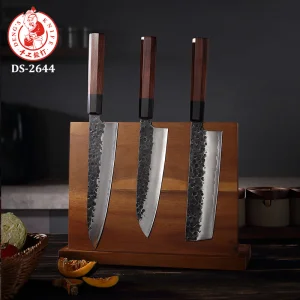
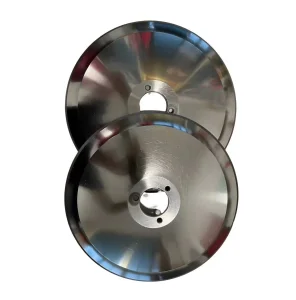
As an OEM/ODM leader, we recognize that "Culinary Tools" now encompass a broad spectrum of industrial applications. This includes not only knives and boards but also automated processing components like the 3Cr13 stainless steel slicer blades used in industrial meat processing. The convergence of industrial efficiency and domestic ergonomics is the new benchmark for excellence.
A critical competitive advantage in culinary manufacturing lies in material selection. While standard stainless steel is ubiquitous, our technical roadmap focuses on specialized alloys and composite structures:
Global enterprises require more than just products; they require supply chain resilience. Our OEM/ODM model addresses the core pain points of large-scale procurement:
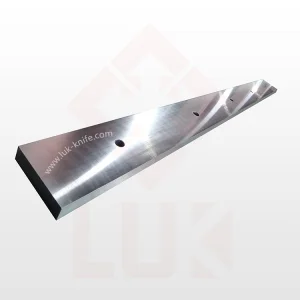
From custom 1050mm guillotine shears to specialized meat grinder models, we offer bespoke engineering for industrial-scale food processing facilities.
Strict adherence to FDA, LFGB, and REACH standards ensures that every tool exported meets the regulatory demands of North American and European markets.
With FSC validation, we provide the documentation necessary for corporate sustainability reporting, a growing requirement for Tier-1 retailers.
The future of culinary tools is defined by Intelligence and Integration. Our R&D is currently focused on:
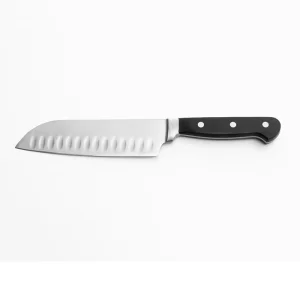
Understanding regional nuances is vital. For instance, the "Santoku" knife requires specific blade geometry for East Asian markets, while the Western "Chef's Knife" demands a different weight balance. Our design team works closely with regional distributors to localize product specifications, packaging, and branding, ensuring that OEM products resonate with local user intent.
A: SUS304 is primarily used for its extreme corrosion resistance in wet environments (like poultry processing), whereas 3Cr13 is a hardened stainless steel designed for high-stress cutting and slicing where edge retention is paramount.
A: We utilize a closed-loop FSC-validated chain of custody. Every board can be traced back to a responsibly managed forest, ensuring no contribution to deforestation.
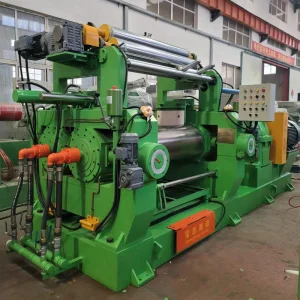
A: Yes. Our factory is equipped for heavy-duty metal fabrication, producing items like the 1050mm guillotine shears and specialized high-accuracy rubber mixing mills for diverse industrial needs.
Extended solutions for professional kitchens and industrial facilities.
 DRS Boards