The global cooking thermometer market has transitioned from simple bimetallic strips to AI-integrated digital probes. As food safety regulations tighten globally, the demand for precision instruments has surged by 15% annually in the commercial sector.
Compliance with HACCP, FDA, and LFGB is no longer optional. Modern exporters must provide devices with ±0.5°C accuracy and rapid response times (under 3 seconds) to meet the needs of Michelin-star kitchens and industrial food processors.
The rise of the "Internet of Kitchen" (IoK) has made Bluetooth and Wi-Fi enabled thermometers a staple for high-end procurement. Real-time data logging and cloud-based temperature tracking are revolutionizing how exporters approach supply chains.
In the competitive landscape of culinary technology, being a Top 10 Cooking Thermometers Exporter requires more than just manufacturing capability; it demands a deep understanding of thermal dynamics, material science, and global logistics. Whether you are a professional chef, a home gourmet, or a bulk industrial purchaser, the accuracy of your thermometer directly impacts food quality and safety.
Modern cooking has moved beyond the kitchen stove. From outdoor BBQ rotisseries to long-duration sous-vide, the need for wireless, leave-in thermometers is at an all-time high. Exporters are now focusing on ceramic-engineered probes that can withstand ambient temperatures of up to 500°C while maintaining internal sensor integrity. This technological leap is a key differentiator among the world's leading exporters.
Corporate buyers from North America and Europe are increasingly looking for One-Stop Solution Providers. Instead of sourcing probes and displays separately, they prefer integrated kits that include calibrated sensors, storage cases, and data analysis software. This shift has favored large-scale Chinese factories that offer robust OEM/ODM services combined with strict quality control protocols.
Different regions have unique requirements. For instance, the US market demands heavy-duty meat thermometers for large-scale barbecuing, while the Japanese market prioritizes ultra-thin probes for delicate tempura and precision pastry making. A versatile exporter must provide a diverse catalog—from infrared non-contact thermometers to thermocouple instant-read devices.

Founded in 2007, Hangzhou DRS Boards Co., Ltd. stands as an industry pioneer with nearly two decades of mastery in kitchen craftsmanship, delivering artisanal solutions to premium kitchens worldwide. While our roots are in high-quality wood boards, our expansion into integrated kitchen electronics and tools has positioned us as a leading force in the export market.
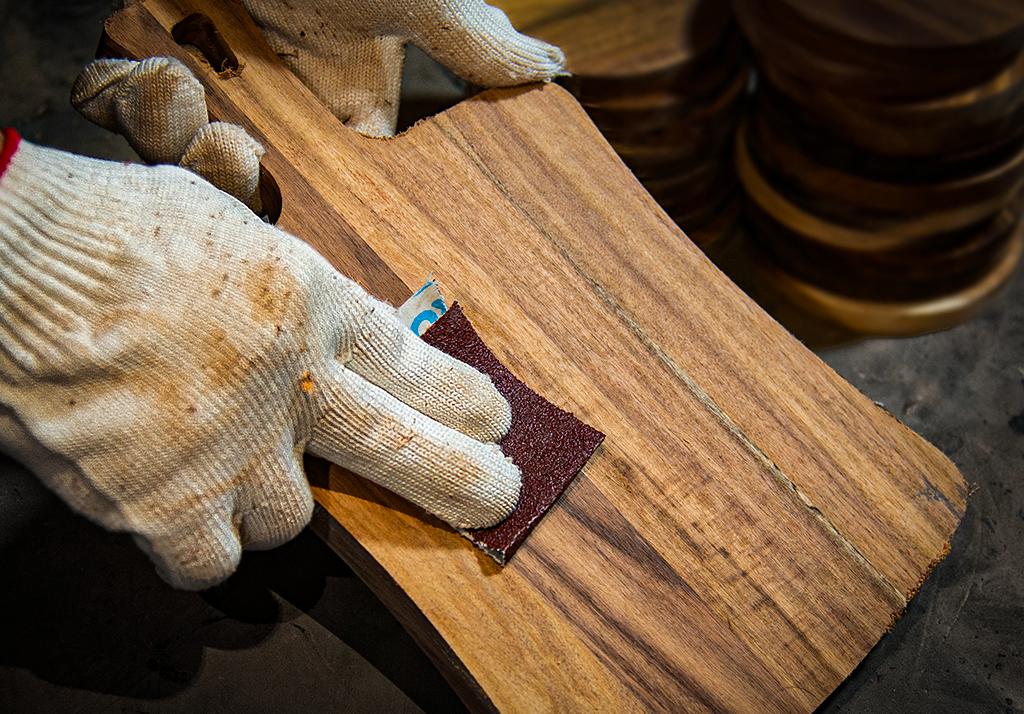
At our core lies the production of ethically sourced, FSC-validated hardwood boards engineered through proprietary techniques for unmatched resilience and hygienic food preparation. Our facility operates under global compliance frameworks covering environmental stewardship (FSC, EC/EU) and consumer safety (FDA, LFGB, REACH, BSCI).
We provide extensive OEM and ODM services, allowing brands to customize everything from probe length to UI software.
Our engineering team focuses on sensor sensitivity and battery longevity, ensuring our tools outperform generic alternatives.
Located in Hangzhou, we benefit from a world-class logistics network, ensuring rapid transit to global ports.
Each unit undergoes 3-point calibration and stress testing before leaving our facility to guarantee 100% reliability.
As we look toward 2025 and beyond, the role of a Top 10 Cooking Thermometers Exporter is evolving into a technology partner. We are investing in AI-driven predictive cooking algorithms that don't just tell you the current temperature, but predict exactly when the food will reach the perfect doneness based on heat transfer rates.
Partnered with luxury culinary brands, we redefine kitchen essentials through sustainable innovation. Our closed-loop production system – spanning responsibly harvested timber to meticulous craftsmanship – ensures every piece embodies both ecological integrity and timeless utility. This holistic approach extends to our electronic tools, where we prioritize recyclable materials and low-energy consumption sensors.
 DRS Boards