Highly durable and cleanable food-processing gear designed for both industrial facilities and cold-chain distributors operating in Central Africa.
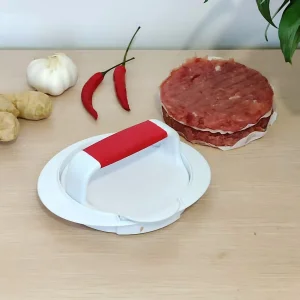
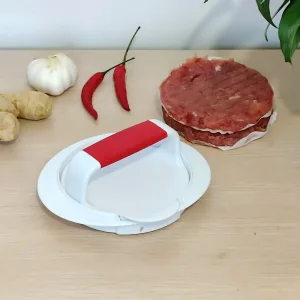

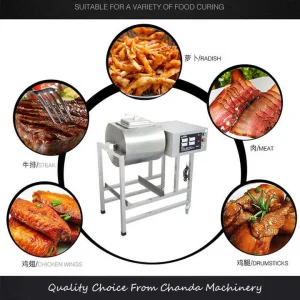
The Democratic Republic of Congo (DR Congo) represents one of the fastest-growing urban food markets in Sub-Saharan Africa. With cities like Kinshasa, Lubumbashi, Mbuji-Mayi, and Goma undergoing rapid demographic expansions, the demand for stable, hygienically processed animal protein is escalating exponentially. However, local processors confront significant infrastructure deficits: unpredictable power grids, high relative humidity in the Congo Basin, and localized supply chain fragmentation.
To navigate these operational challenges, municipal abattoirs and medium-scale food processing facilities are transitioning away from fragile consumer-grade tools to heavy-duty, corrosion-resistant industrial machinery. Tools fabricated with SUS304 food-grade stainless steel have become vital, ensuring equipment longevity under rigorous sanitation regimens required in tropical conditions.
Furthermore, compliance with the Office Congolais de Contrôle (OCC) standards requires importing businesses to verify the material safety sheets of all food-contact equipment. By utilizing components constructed with food-grade polymers and specialized alloys, companies mitigate the risk of chemical contamination, ensuring complete product alignment with global hygiene protocols.
Historically, many processing units in Central Africa relied on basic carbon steels or low-grade aluminum alloys for meat handling. This led to rapid oxidation, surface pitting, and microbial nesting sites that compromised batch integrity. Modern food science dictates that the surface topography of processing equipment must remain smooth and inert under high exposure to sanitizers (such as chlorine dioxide and peracetic acid).
Our advanced manufacturing incorporates SUS304 Stainless Steel and food-safe high-density polyethylene (HDPE). These materials are chosen specifically for their non-porous structure and elevated nickel-chromium concentration. This makes them highly resistant to organic acids found in blood, fat, and brine. Whether you are portioning beef in Katanga Province or scaling river fish in Kisangani, these tools preserve biological freshness and resist rust.
| Material Class | Corrosion Resistance (High Humidity) | Microbial Cleaning Speed | Operational Lifespan | OCC Certification Path |
|---|---|---|---|---|
| SUS304 Stainless Steel | Outstanding (Nickel > 8%) | Fast (Non-porous, smooth) | 15+ Years | Fully Approved |
| Food-Grade HDPE | Immune to Oxidation | Fast (Acid resistant) | 5-8 Years | Fully Approved |
| Carbon Steel (Standard) | Poor (Prone to quick rust) | Slow (Pitting holds bacteria) | < 2 Years | High Risk of Rejection |
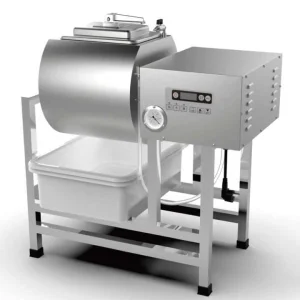
Mitigating logistical delays between factories and buyers in Kinshasa or Goma requires a highly sophisticated supply chain structure. Modern manufacturing hubs utilize Factory 4.0 principles—integrating precise CNC manufacturing, digital quality control, and predictive component sorting. This guarantees that every poultry deboning tool, sausage stuffer, or vacuum marinating machine matches exact architectural tolerances before shipment.
By maintaining a modular product architecture, our China-based supply chain can customize physical parameters (such as blade sharpness angles, motor voltages configured for unstable Congolese power grids, and frame reinforcements) rapidly. This custom-manufacturing model drastically reduces lead times. Our integrated end-to-end container tracking ensures safe delivery through major ports like Matadi and Mombasa, providing unparalleled supply chain visibility.
High-capacity municipal facilities processing over 500 cattle head daily require extremely reliable cutting and splitting tools. By using high-grade SUS304 poultry and beef tools, operators avoid downtime caused by structural steel failures. Our heavy-duty tools are engineered to handle the rigorous demands of fast-paced industrial processing lines.
Farms around Goma require precision lung extraction and clean defeathering tools to limit bacterial spread. The implementation of specialized Mingshun poultry processing tools has helped farms maintain low mortality rates post-slaughter and secure compliance with international sanitary inspections.
Working with freshwater catch demands tools that can withstand high moisture levels and hard scales. Our 230mm fish cutting tools and specialized scaling devices enable local fishmongers to maximize yield and prepare products efficiently for freezing and transport.
Founded in 2007, Hangzhou DRS Boards Co., Ltd. stands as an industry pioneer with nearly two decades of mastery in specialized wood and metal craftsmanship, delivering premium cutting and preparation solutions to commercial kitchens and industrial processors worldwide.
At our core lies the production of ethically sourced, FSC-validated hardwood boards and custom food-grade metallic surfaces engineered through proprietary techniques for unmatched resilience and hygienic food preparation. The facility operates under global compliance frameworks covering environmental stewardship (FSC, EC/EU) and consumer safety (FDA, LFGB, REACH, BSCI).
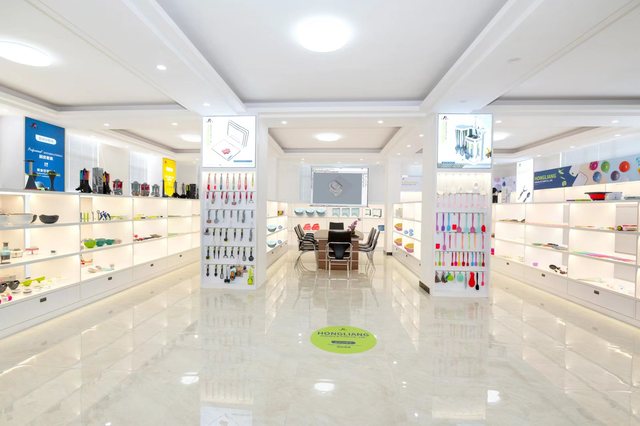
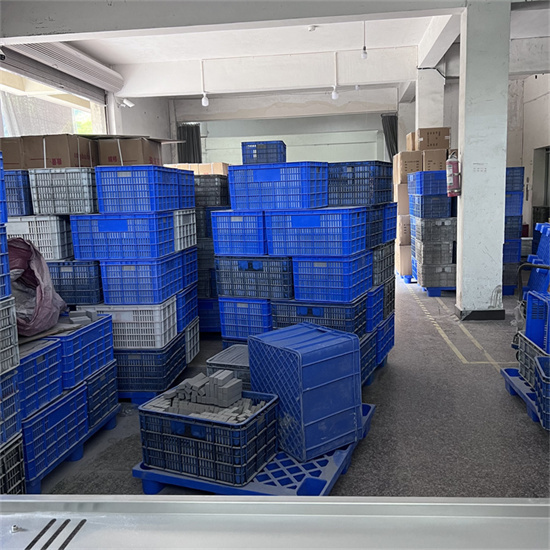
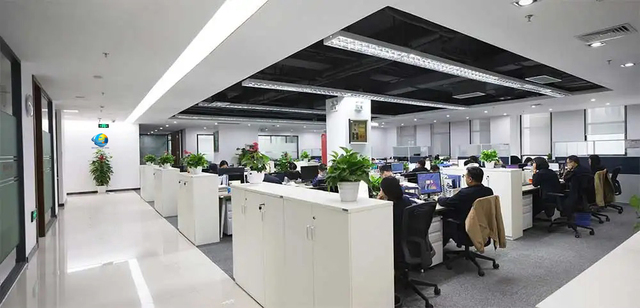
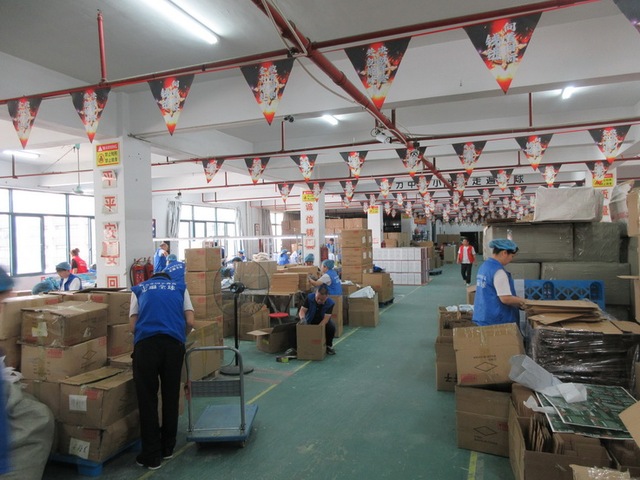
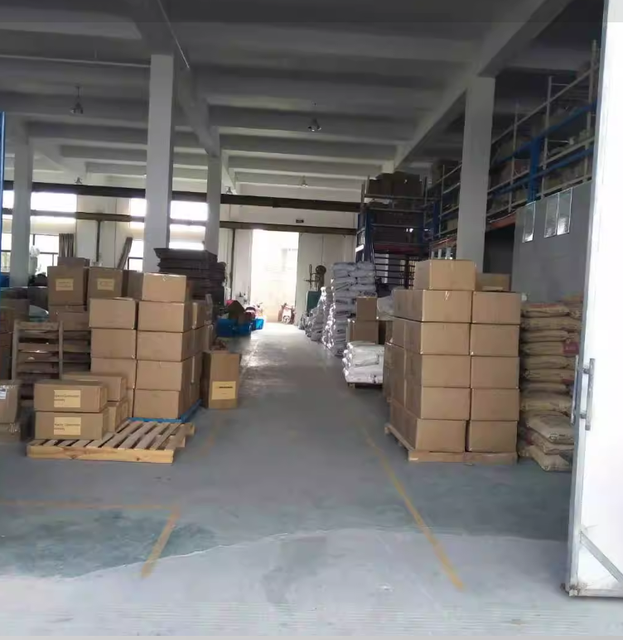
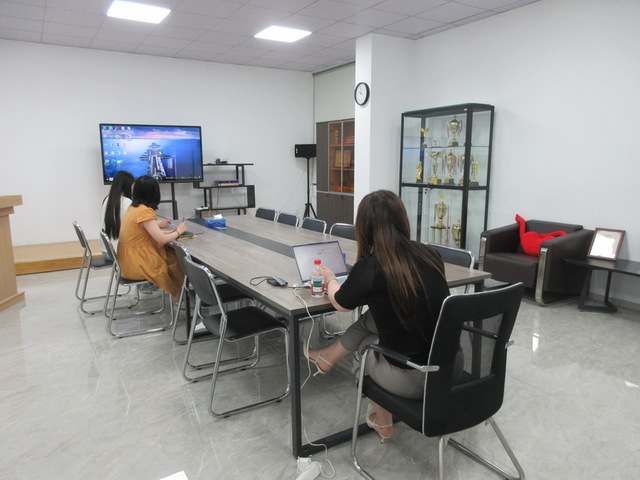
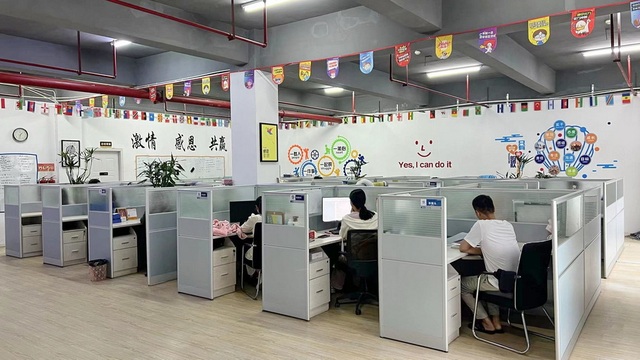
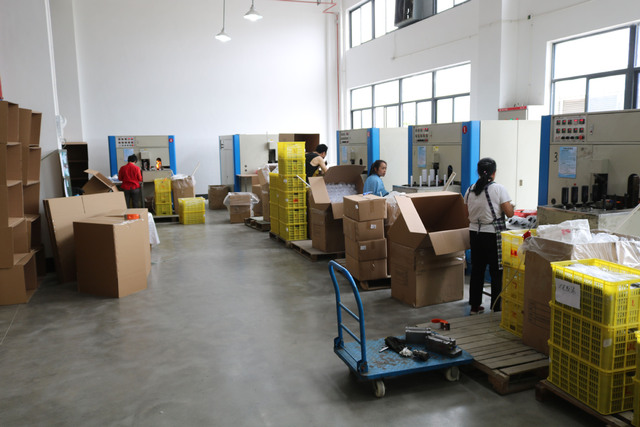
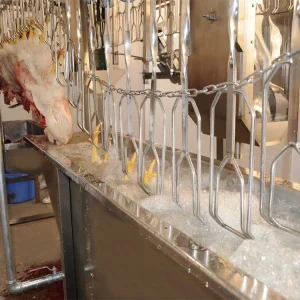
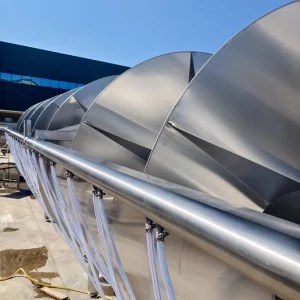
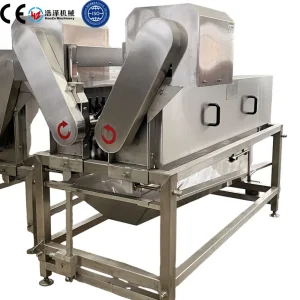
Partnered with luxury culinary brands, we redefine kitchen essentials through sustainable innovation. Our closed-loop production system – spanning responsibly harvested timber to meticulous steel and composite craftsmanship – ensures every piece embodies both ecological integrity and timeless utility. Below are key images showcasing our state-of-the-art manufacturing plant, material testing labs, and certified production lines:
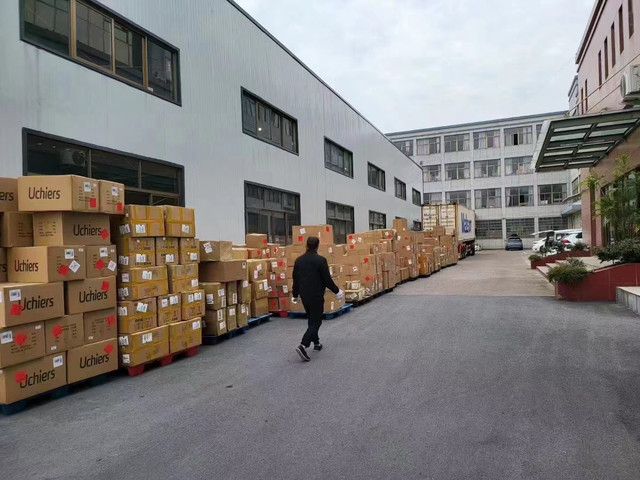

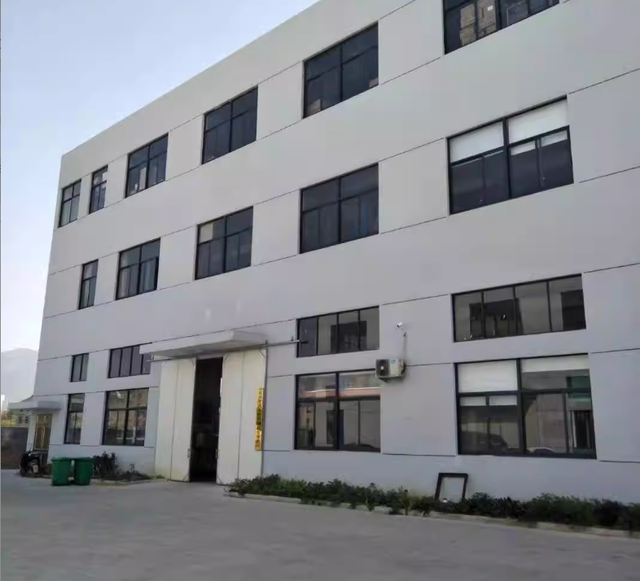
Our engineers address key structural, logistical, and sanitary questions about importing high-end meat processing tools into Central Africa.
Browse our range of commercial and industrial-grade poultry, fish, and red meat tools engineered for high performance in challenging environments.
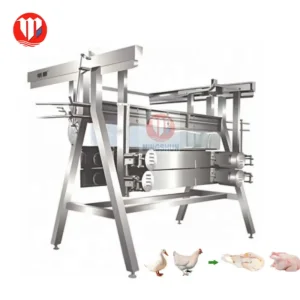
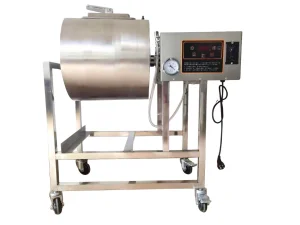
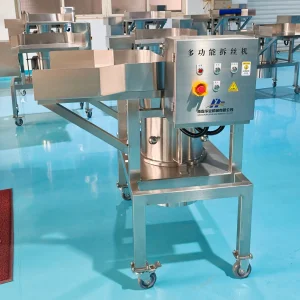

Contact our sales team today to receive detailed technical catalogues, factory pricing, and logistics quotes for shipments to DR Congo.
Send Inquiry Now DRS Boards