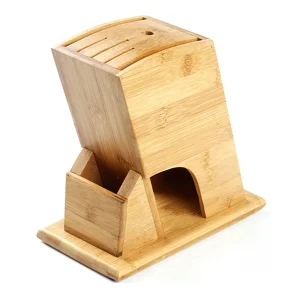
Engineered to strict hygienic and tensile strength parameters required by top-tier food processing units globally.

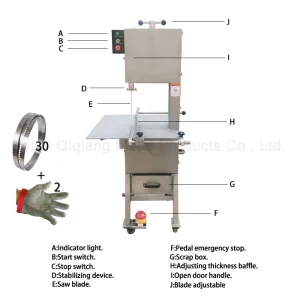
In the highly regulated arena of global food supply chains, the choice of food storage bins, crates, and containers represents far more than standard warehouse asset acquisition. It is a fundamental cornerstone of HACCP (Hazard Analysis Critical Control Point) alignment, clean-room management, and material lifespan optimization. Industrial food storage systems must resist extreme structural loads, rapid cold-chain thermal cycles, and rigorous sanitization processes involving harsh chemical agents. China has emerged as the premier global manufacturer of storage solutions, leveraging high-output facilities and cutting-edge material science to deliver robust, compliant, and cost-effective food container infrastructure.
Whether managing fresh organic agricultural yields, bulk meat processing, or precision bakery ingredients, enterprise buyers face the challenge of securing food contact materials that fully comply with FDA (Food and Drug Administration) and LFGB (Lebensmittel- und Futtermittelgesetzbuch) regulations. Storage solutions must prevent trace migration of plastics or VOC outgassing into stored consumables. Additionally, the move toward circular business models demands that industrial food storage platforms integrate sustainable materials without sacrificing mechanical strength, sanitation profiles, or long-term operational efficiency.
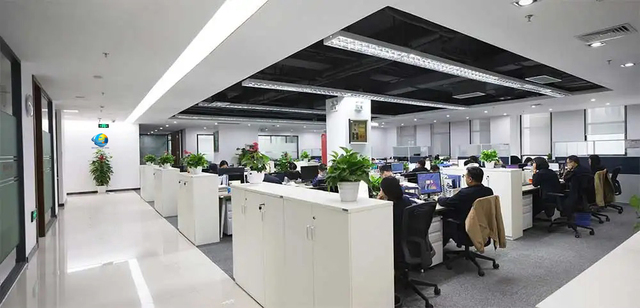
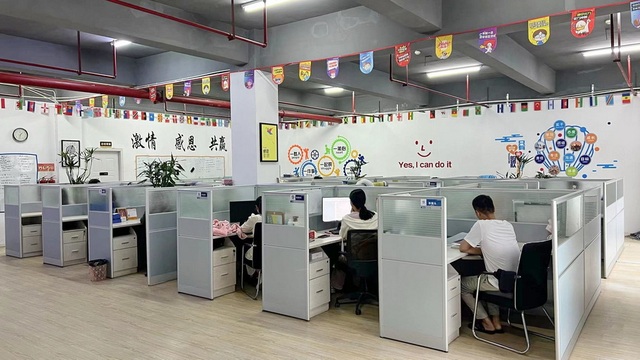
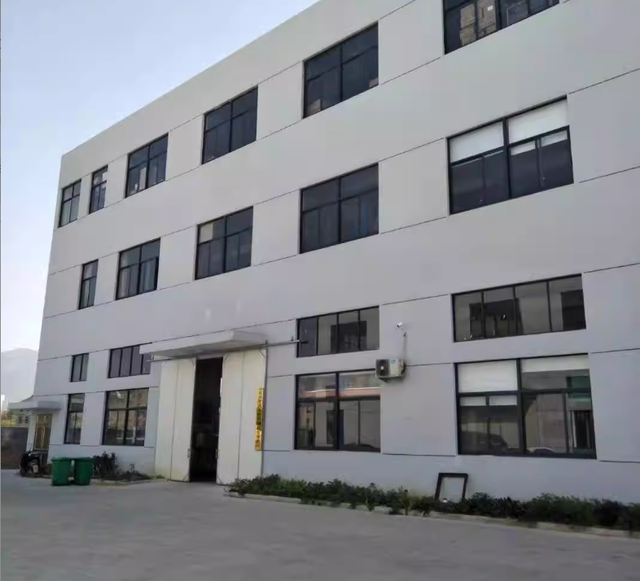
Founded in 2007, Hangzhou DRS Boards Co., Ltd. stands as an industry pioneer with nearly two decades of mastery in wood craftsmanship, delivering artisanal cutting solutions and sustainable material integration to premium kitchens worldwide. While expanding our capabilities from premium FSC hardwood boards, we have redefined how eco-conscious materials interface with modern food storage technology.
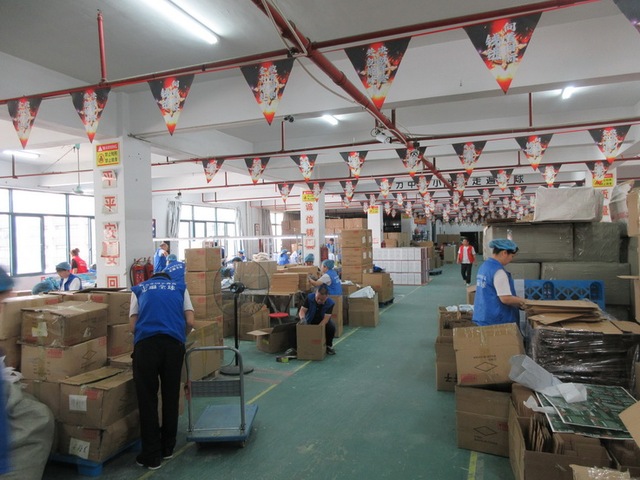
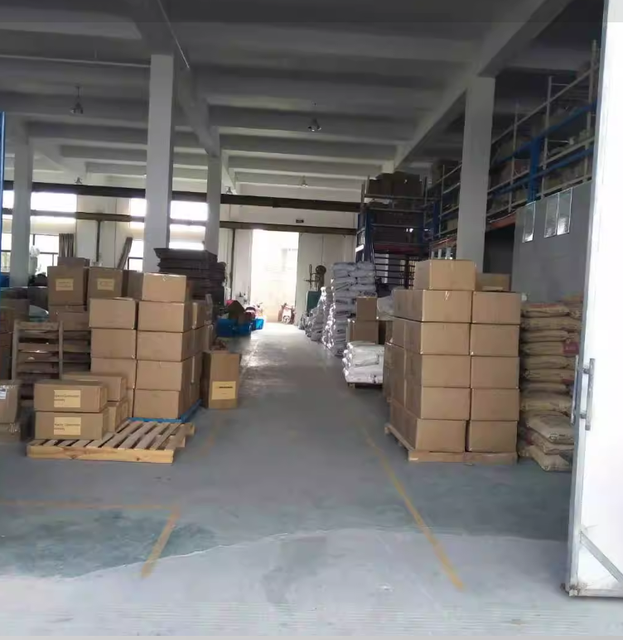
At our core lies the production of ethically sourced, FSC-validated hardwood boards engineered through proprietary techniques for unmatched resilience and hygienic food preparation. The facility operates under global compliance frameworks covering environmental stewardship (FSC, EC/EU) and consumer safety (FDA, LFGB, REACH, BSCI). Partnered with luxury culinary brands, we redefine kitchen essentials through sustainable innovation. Our closed-loop production system – spanning responsibly harvested timber to meticulous craftsmanship – ensures every piece embodies both ecological integrity and timeless utility.
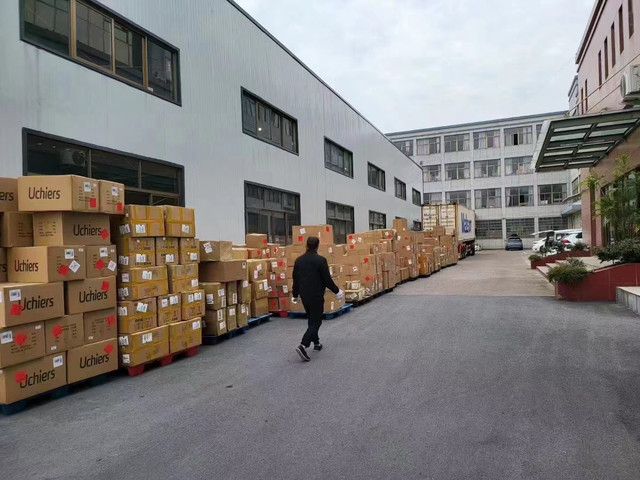
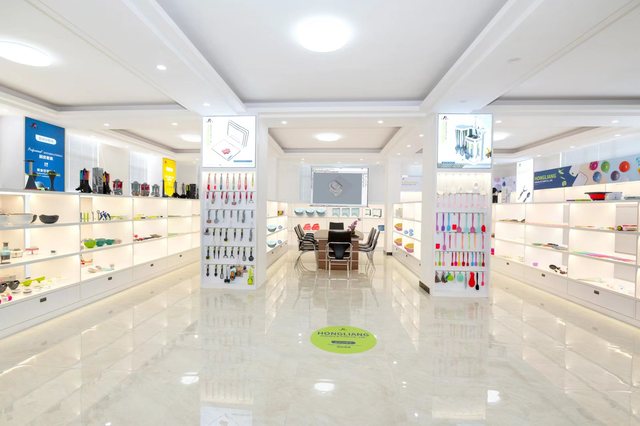

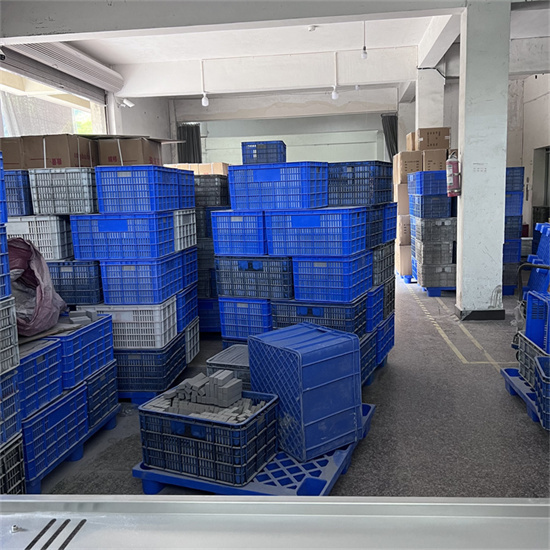
B2B procurement teams managing storage asset acquisition face complex regulatory and operational landscapes. When evaluating suppliers from mainland China, logistics managers assess specific operational vectors:
| Material Category | Compliance Standard | Ideal Thermal Operating Range | Main B2B Food Applications |
|---|---|---|---|
| Virgin High-Density Polyethylene (HDPE) | FDA, EU 10/2011, LFGB | -40°C to +60°C | Cold Storage, Blast Freezing, Seafood & Meat Logistics |
| FSC-Certified Hardwoods | FSC, REACH, LFGB, FDA | -10°C to +40°C | Artisanal Bakery Proofing, Cheese Maturing, Organic Produce Display |
| SUS304 / SUS316 Stainless Steel | FDA Food Contact Grade | -196°C to +800°C | Aseptic Liquid Transport, Hot Prep Processing, Industrial Ingredients |
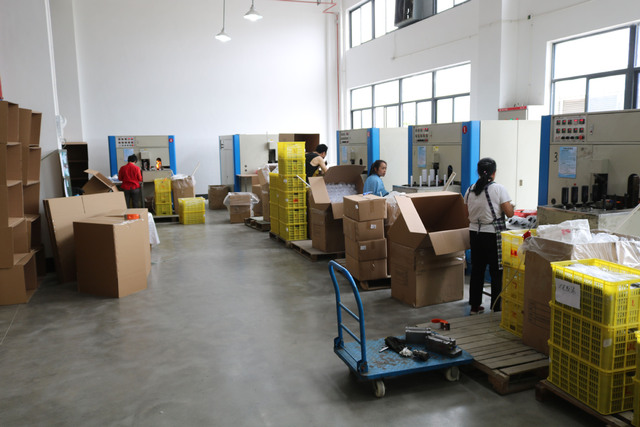
Large-scale processing plants require integrated container ecosystems to support automated material handling. Modern facilities use a mix of custom injection-molded plastic bins, stainless steel processing tools, and natural wood structures to achieve clean, efficient product flow.
For example, integrating wood storage options into specific stages of food production provides key functional benefits. Certified FSC hardwoods naturally regulate moisture. This makes them ideal for artisanal dough fermentation, premium vegetable curing, and cheese rind curing. By pairing these with heavy-duty automated plastic handling systems, food brands can improve product quality while cutting back on single-use plastics.
The global food packaging and storage container sector is undergoing a massive shift driven by strict environmental policies and digital logistics platforms. Below is the technical roadmap directing the next generation of food storage systems:
Moving away from fossil-fuel plastics toward biodegradable PHA polymers combined with sustainable FSC wood dust for added strength.
Molding RFID chips and BLE temperature sensors directly into food bins to track cold-chain logistics in real time.
Developing permanent, non-leaching antimicrobial surfaces that inhibit bacterial colonization without transferring chemicals to food.
Implementing take-back programs to grind down old industrial bins and reformulate them into new, certified food-grade storage assets.
Market dynamics show shifts in storage requirements across regions:
North America: Rigid FDA regulations require clear material declarations. Procurement teams prioritize high-density stackable designs to maximize vertical clearance in expensive cold-storage facilities.
European Union: Strictly aligned with LFGB, REACH, and EFSA frameworks, EU buyers focus on the circular economy. Suppliers must show verified FSC credentials for any wood-based equipment and provide carbon footprint statements for plastic bins.
Asia-Pacific: Rapid urbanization and the expansion of modern supermarket chains are fueling double-digit demand growth for industrial food bins, with a strong focus on high-throughput durability.
Designed for commercial kitchens, processing plants, and food logistics centers requiring extreme sanitation and structural integrity.
Expert technical answers regarding regulatory compliance, material selections, and sourcing practices.
 DRS Boards