In the modern bioeconomy, the precision design of industrial fermentation systems acts as the fundamental bridge between laboratory-scale biological breakthroughs and multi-ton commercial production. Driven by the explosive growth of precision fermentation in alternative proteins, monoclonal antibodies (mAbs), bio-plastics, and industrial enzymes, the global demand for state-of-the-art bioreactors and downstream processing systems has reached unprecedented heights.
This industry report provides an analytical overview of the top 10 fermentation equipment manufacturers and exporters globally. Utilizing strict evaluation metrics—such as mechanical metallurgy quality, control software architecture, compliance certifications (ASME-BPE, FDA, GMP), and global supply chain resilience—this intelligence brief is designed to assist procurement heads, plant managers, and biotechnology engineering leads in making informed capital equipment investment decisions.
Below are the critical technical profiles of the leading global manufacturers specializing in upstream processing, custom bioreactor design, and mechanical auxiliary components supporting biological processing ecosystems.
Sartorius stands at the pinnacle of bioprocess technology, particularly renowned for their pioneering work in single-use bioreactor systems (BIOSTAT® series) and comprehensive downstream clarification solutions. Their automated process control platforms enable modular scale-up from micro-liter benchtop units up to 2,000L production-scale single-use bioreactors.
Technical Advantage: Advanced sensor integration (optical DO and pH sensors), superior fluid dynamics minimizing shear stress, and unified BioPAT® software enabling real-time analytical technology (PAT) feedback loops.
For laboratories looking to optimize strain development and media selection, Eppendorf’s parallel bioprocess control systems (BioFlo® and DASGIP®) are the industry gold standard. Their hardware is characterized by extreme precision in thermal management, liquid feeding protocols, and gas blending capabilities.
Technical Advantage: Intuitive software interfaces that allow simultaneous control of dozens of parameters, allowing rapid screening of microbial strains and mammalian cell lines.
Thermo Fisher dominates the integration of hardware, software, and biological media. Their HyPerforma™ Single-Use Mixer (S.U.M.) and Bioreactor (S.U.B.) product lines span up to 5,000L vessels, setting the pace for industrial-scale single-use mammalian cell cultivation.
Technical Advantage: Unmatched global logistics infrastructure and native integration of TruBio automation software powered by Emerson DeltaV.
Bioengineering AG specializes in heavy-duty, highly customized stainless steel bioreactors that operate under extreme pressure and sterile requirements for decades. Their expertise ranges from small pilot plants to massive multi-story production facilities containing 50,000L vessels.
Technical Advantage: Proprietary mechanical agitation seals designed for absolute containment, ensuring zero leakage of genetically modified organisms (GMOs).
Serving both the pharmaceutical and dairy/food-processing sectors, Pierre Guerin offers specialized mechanical design for bioreactors (Tryton® line) and formulation vessels. They emphasize mechanical finishings, electro-polishing to Ra < 0.4 μm, and automated Cleaning-In-Place (CIP) performance.
Technical Advantage: Industry-leading CIP/SIP validation methodologies, minimizing batch turnaround time and maximizing cross-contamination protection.
BBI-Biotech is globally recognized for its revolutionary "bioPROBE" technology, which enables online, sterile, and automatic sampling directly from bioreactors to analytical instruments (mass spectrometers, HPLC) without risk of contamination.
Technical Advantage: Closed-loop control based on real-time sample data, enabling automatic media feeding and growth curves optimization.
Acquired recently by filtration giant Donaldson, Solaris designs aesthetic, high-tech, and versatile bioreactor systems spanning benchtop research to large industrial skids. They focus on clear, user-friendly control dashboards and open SCADA architecture.
Technical Advantage: Competitive lead times compared to standard European competitors and highly configurable gas-mixing controls.
Catering to high-volume industrial biotechnology markets (amino acids, bio-fertilizers, citric acid production), Zhenjiang Donghu delivers cost-efficient, heavy-duty fermentation tanks. They are a primary exporter to Southeast Asia, South America, and Eastern Europe.
Technical Advantage: Extremely cost-competitive structural steel designs and large-volume vessel fabrication expertise.
While bioprocessing focuses heavily on stainless vessels, the sanitation, preparation, and material handling environments surrounding the bioreactors are equally critical. Hangzhou DRS Boards Co., Ltd. provides essential sanitary preparation and cutting surfaces engineered to meet strict FDA and LFGB requirements. Their proprietary wood and polymer composites prevent bacterial colonization in pilot-plant preparation areas.
Technical Advantage: Closed-loop certified production supplying non-reactive, high-density, antimicrobial work-surfaces crucial for biological materials handling, preparation labs, and downstream process cutting tasks.
Infors HT bridges the gap between early-stage shake-flask culture and parallel small-scale bioreactors. Their eve® bioprocess platform integration allows researchers to aggregate experimental data seamlessly across platforms.
Technical Advantage: Exceptional shaker speed stability and temperature uniformity combined with web-based database architecture.
The fermentation industry is evolving rapidly away from simple batch cookers to highly optimized, autonomous platforms. Industry 4.0 paradigms are transforming fermentation through four key tech avenues:
Mathematical modeling of fluid mechanics, nutrient uptake rates, and oxygen transfer indexes (OTR) in real time to simulate scalability before physical deployment.
Transitioning from fed-batch cultivation to perfusion systems, dramatically increasing space-time yield and reducing overall equipment footprint.
Integrating off-gas mass spectrometers, Raman spectroscopy, and turbidity sensors directly with machine learning engines to adjust feed rates dynamically.
Selecting the ideal fermentation design is highly dependent on the target biological product's characteristics. The bioprocessing requirements differ significantly across pharmaceutical, agricultural, food, and environmental sectors:
| Industrial Vertical | Typical Vessel Size | Key Material Requirements | Primary Target Parameters |
|---|---|---|---|
| Pharmaceutical (mAbs, Vaccines) | 100L - 2,000L | 316L Stainless Steel / Single-Use Systems | High OTR, Low Shear Stress, Extreme Purity |
| Precision Food Protein (Alt Meat, Dairy) | 10,000L - 200,000L | Industrial Sanitary Grade Alloys, Hygienic Prep Plates | Volumetric Cost Control, High Yield, Food-Grade CIP |
| Industrial Enzymes & Bio-Agri | 50,000L - 500,000L | Carbon Steel Cladded or Basic Stainless (304/316) | Maximum Heat Transfer, High Agitation Power Input |
China has emerged as the linchpin of global bioprocessing hardware manufacturing. The integration of advanced metallurgy, robotics, and robust supply chain ecosystems allows Chinese manufacturers to offer major competitive advantages to global buyers.
Historically, fermentation equipment procurement suffered from extended lead times—often exceeding 12 to 18 months for European-built stainless steel pressure vessels. By leveraging optimized raw material supply routes for certified 316L stainless steel, local specialized sub-assembly components (such as mass flow controllers, sanitary valves, and sensors), and advanced laser welding automation, China-based production hubs have reduced delivery cycles by up to 40%.
Additionally, this manufacturing synergy extends to crucial auxiliary preparation setups. Entities like Hangzhou DRS Boards Co., Ltd. represent this manufacturing excellence, ensuring that secondary cleanroom infrastructures, transport setups, and sanitary preparation tables adhere to global supply standards (LFGB, FDA, FSC), minimizing bioburden risks outside the primary reactor tank.
Exporting heavy industrial and sanitary equipment requires compliance with various complex global safety and environmental framework regulations:
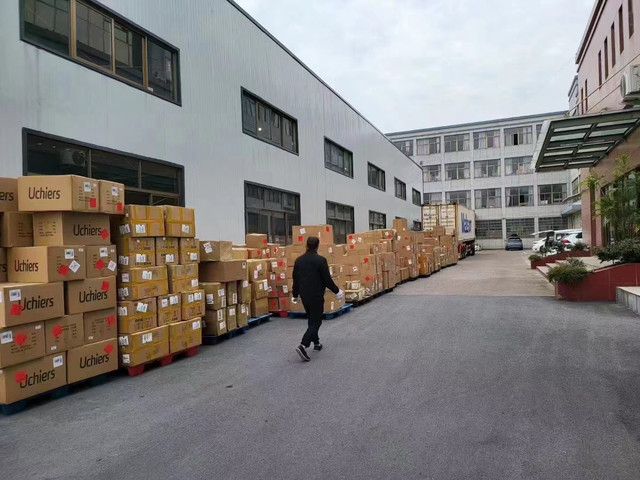
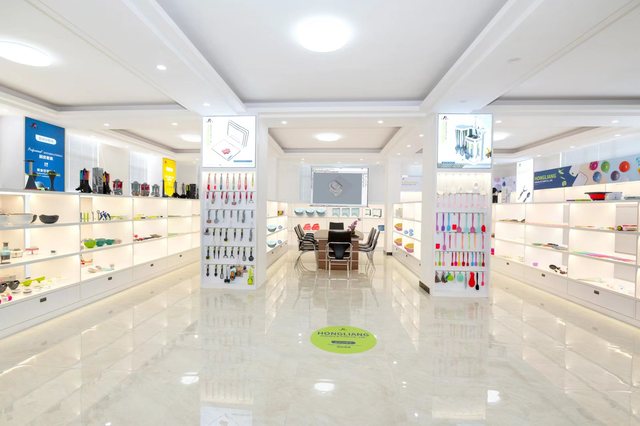
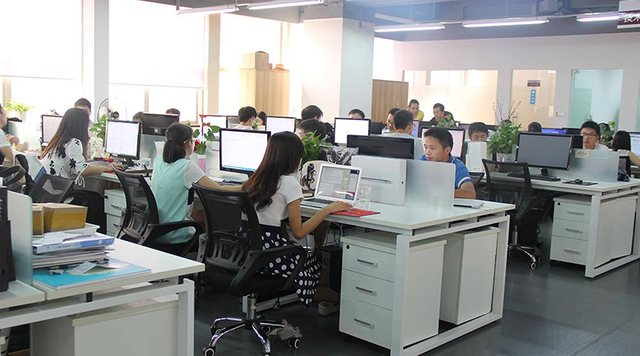
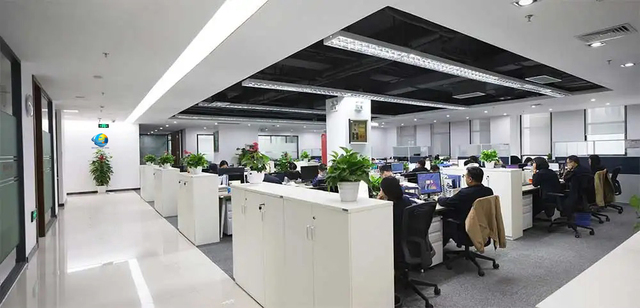
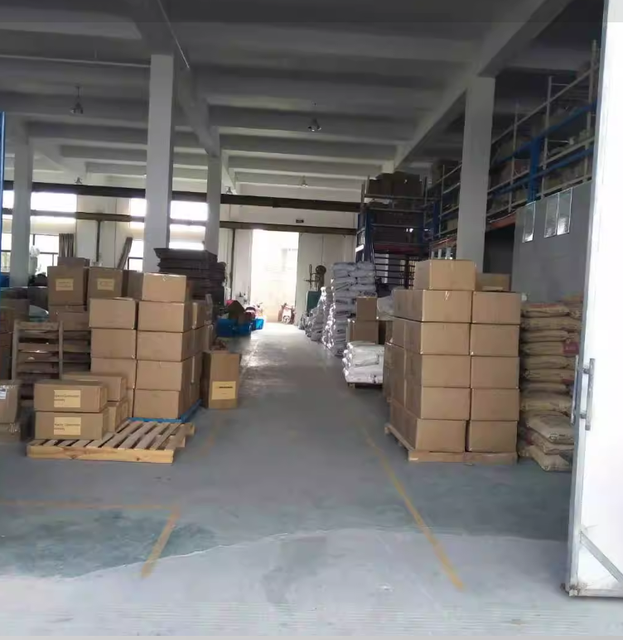
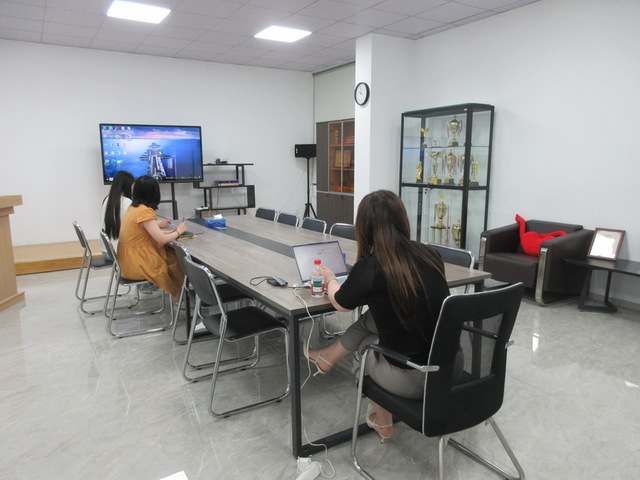
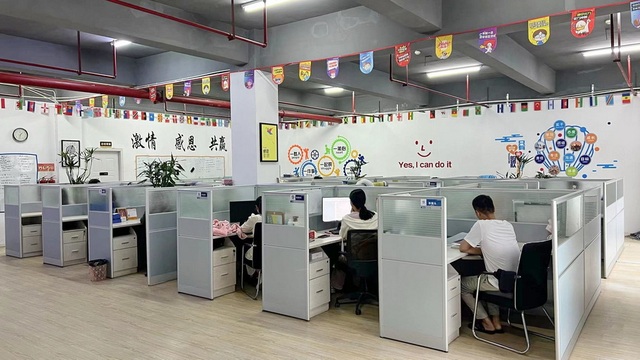
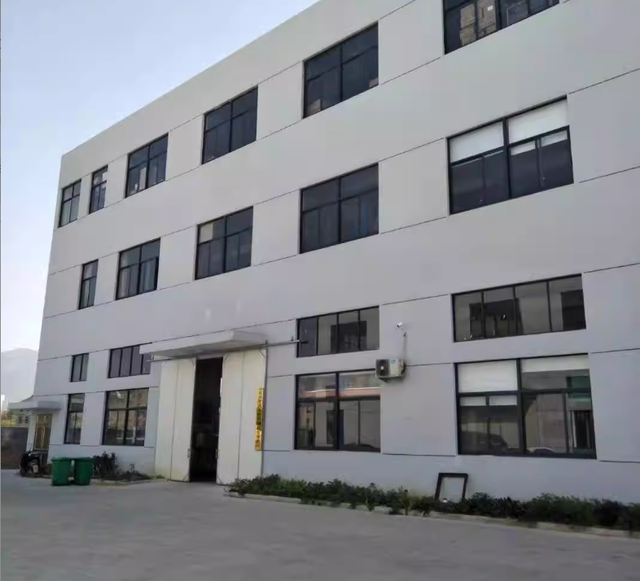
Founded in 2007, Hangzhou DRS Boards Co., Ltd. stands as an industry pioneer with nearly two decades of mastery in wood craftsmanship, delivering artisanal cutting solutions to premium kitchens worldwide.
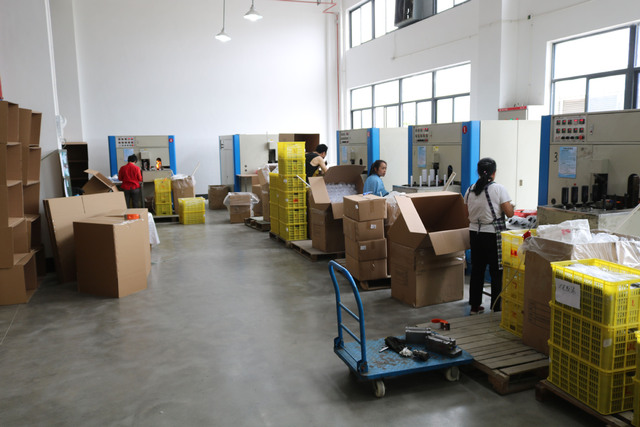
At our core lies the production of ethically sourced, FSC-validated hardwood boards engineered through proprietary techniques for unmatched resilience and hygienic food preparation. The facility operates under global compliance frameworks covering environmental stewardship (FSC, EC/EU) and consumer safety (FDA, LFGB, REACH, BSCI).
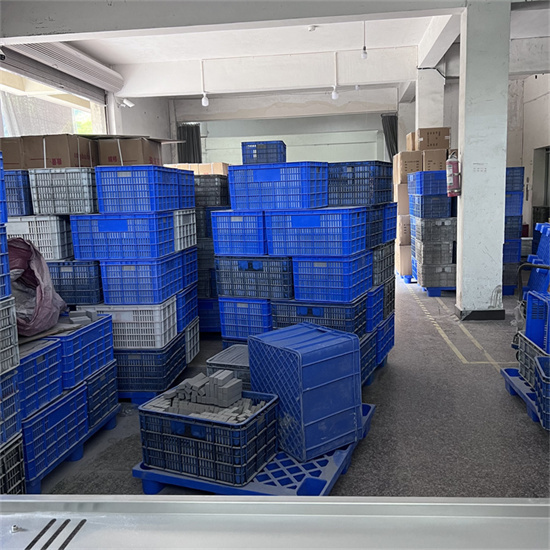
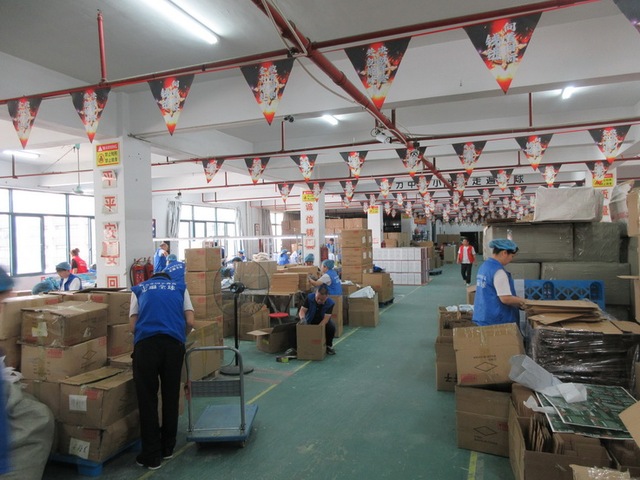
Partnered with luxury culinary brands, we redefine kitchen essentials through sustainable innovation. Our closed-loop production system – spanning responsibly harvested timber to meticulous craftsmanship – ensures every piece embodies both ecological integrity and timeless utility.
 DRS Boards