Engineered to comply with stringent European and North American food-contact regulations.
The contemporary tableware and kitchenware landscape is undergoing a systemic transition. Driven by structural shifts in global consumer expectations, environmental safety regulations, and automation technologies, commercial buyers must re-evaluate their procurement strategies. Today’s category managers, supply chain directors, and enterprise importers look beyond sheer volume capacity. They seek manufacturers integrating structural engineering capabilities, clean-room hygienic production lines, and verified compliance programs.
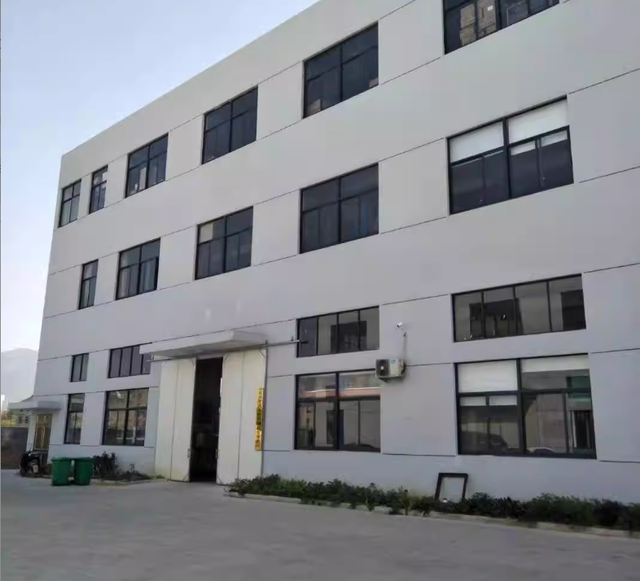
Corporate Core Integration: Founded in 2007, Hangzhou DRS Boards Co., Ltd. stands as an industry pioneer with nearly two decades of mastery in wood craftsmanship, delivering artisanal cutting solutions to premium kitchens worldwide. At our core lies the production of ethically sourced, FSC-validated hardwood boards engineered through proprietary techniques for unmatched resilience and hygienic food preparation. The facility operates under global compliance frameworks covering environmental stewardship (FSC, EC/EU) and consumer safety (FDA, LFGB, REACH, BSCI).
China remains the undisputed epicenter of global kitchenware and tableware manufacturing. This structural dominance is not merely a product of labor optimization, but rather the result of dense, hyper-specialized industrial clusters. In provinces like Zhejiang and Guangdong, deep supply chains allow for rapid horizontal and vertical integration of production capabilities.
For example, sourcing custom-molded silicone kitchenware, high-tensile stainless steel cutlery, and FSC-certified hardwood cutting boards under a unified quality assurance program is only feasible in ecosystems where secondary raw materials, precise injection molds, CNC milling tools, and automated clean packaging lines operate within close geographic proximity. This minimizes inter-facility transit times, reduces the logistical carbon footprint, and permits unified factory audits (such as BSCI and SMETA).
Furthermore, Chinese manufacturers have heavily adopted automated CNC technologies and laser-guided inspection sensors. By replacing manual wood profiling and metal cutting with automated milling centers, production tolerances are kept under 0.2mm. This degree of structural repeatability directly translates into consistent product performance for global distributors, catering to demanding culinary environments where dimensional precision is paramount.
Cross-border procurement of food-contact surfaces is subject to intensive regulatory scrutiny. Importers in the European Union (under EC/EU directives and REACH chemical safety frameworks) and North America (FDA CFR Title 21 requirements) face substantial liability for non-compliant materials containing heavy metals, bisphenols (BPA), phthalates, or formaldehyde adhesives. This is why trusted tableware exporters invest in rigorous material certification.
Partnered with luxury culinary brands, we redefine kitchen essentials through sustainable innovation. Our closed-loop production system – spanning responsibly harvested timber to meticulous craftsmanship – ensures every piece embodies both ecological integrity and timeless utility. Testing protocols verify that all raw materials, including food-grade silicone, polymer composites, and hardwood glues, emit zero toxic vapors or chemical leachates during long-term exposure to high cooking temperatures.
The global tableware segment is pivoting along three primary technical trends:
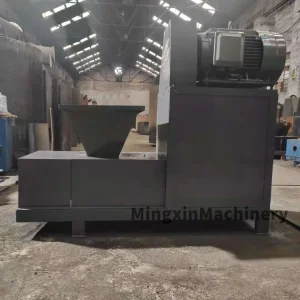
Procurement Insight: High-efficiency manufacturers are adopting closed-loop circular systems. By utilizing advanced residue collection machinery, wood processing by-products are instantly redirected into biomass fuel and briquette manufacturing, eliminating industrial waste and lowering the overall carbon impact per SKU.
To support high-volume buyers, contemporary exporters structure their product categories into three dedicated enterprise solutions:
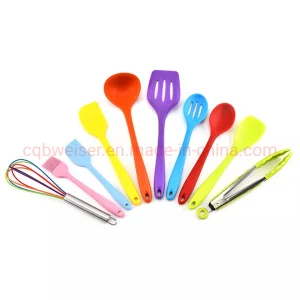
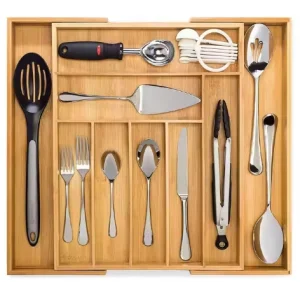
Commercial-grade, chemical-sanitizer resistant prep accessories, heavy-duty stainless steel handling tools, and food prep containers designed for high-turnover restaurant environments.
Custom laser branding, custom packaging, and shelf-ready packaging formats for premium cookware lines and sustainable lifestyle collections.
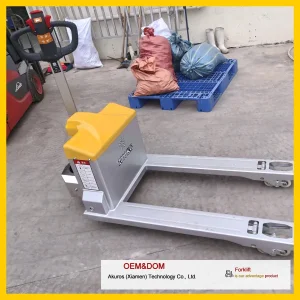
Specialized stainless steel handling platforms, pallet jacks, and anti-corrosive prep tables engineered to maintain sanitary levels in cold processing zones.
Different international culinary markets present distinct application requirements:
Western European Markets: Prioritize FSC certifications and high-durability end-grain cutting boards capable of handling dense root vegetables and heavy cleaver prep. The focus is on wood longevity and the aesthetic of natural, non-toxic materials.
North American Commercial Kitchens: Demand dishwasher-safe materials, such as heavy-duty food-grade silicone kitchen accessories, that can withstand harsh chemical sanitizers and thermal sanitizing cycles without losing flexibility or showing surface micro-cracking.
Global Cold Storage Facilities: Require non-corrosive stainless steel material handling tools (such as pallet trucks) that resist salt and moisture-rich environments, preventing rust and bacterial colonization in storage areas.
Technical answers to critical compliance, production capacity, and supply chain queries.
Premium kitchenware and industrial tools built for commercial and domestic foodservice.
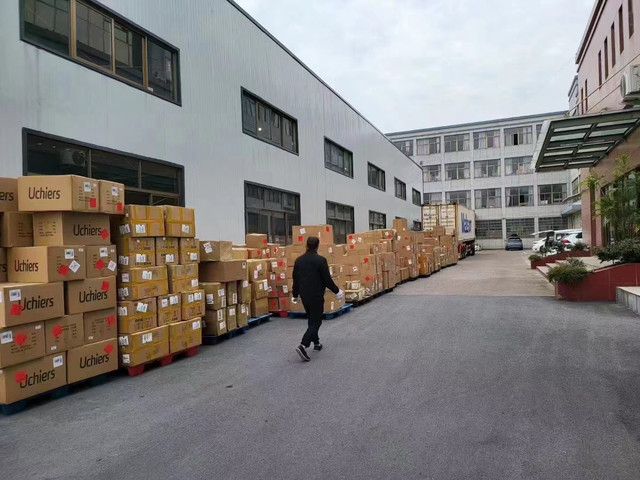
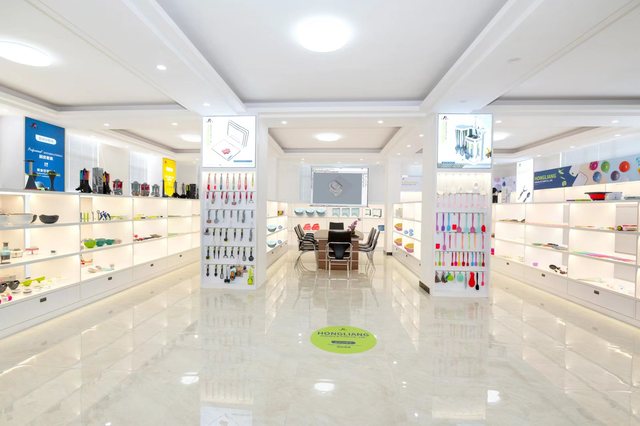
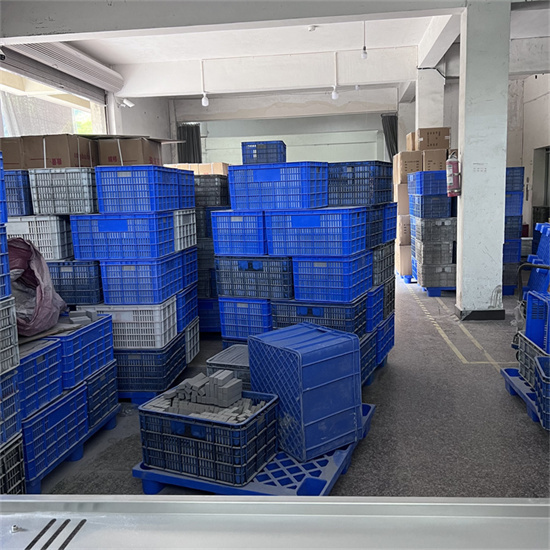
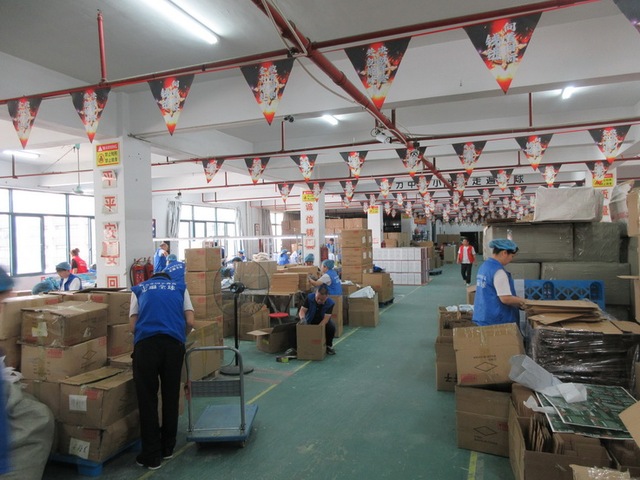
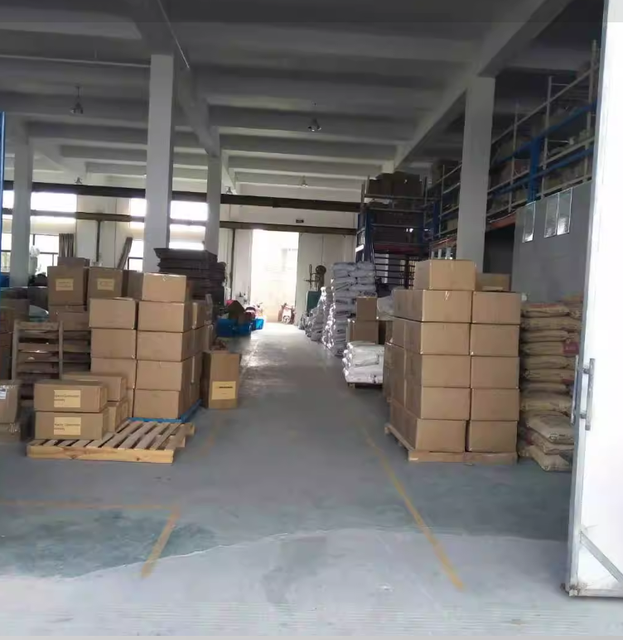
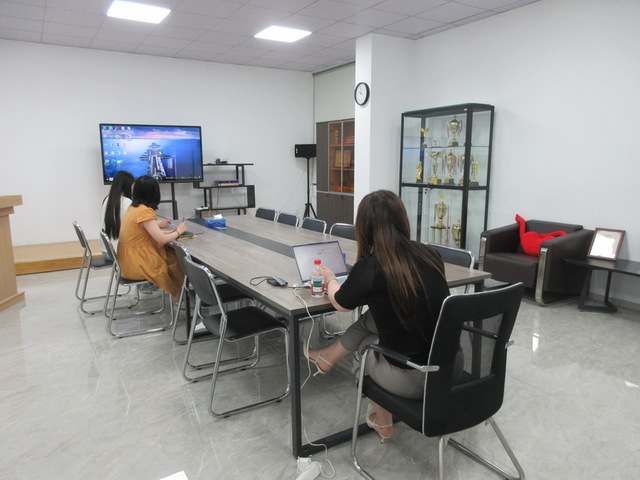
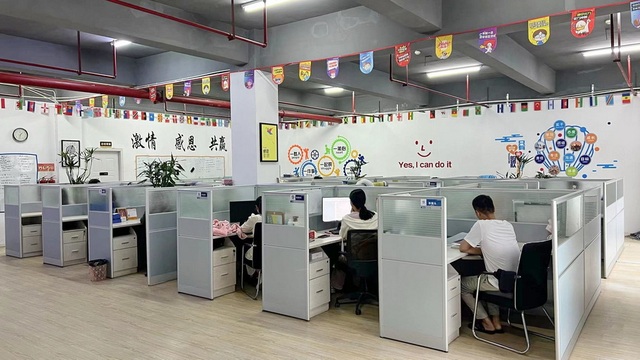
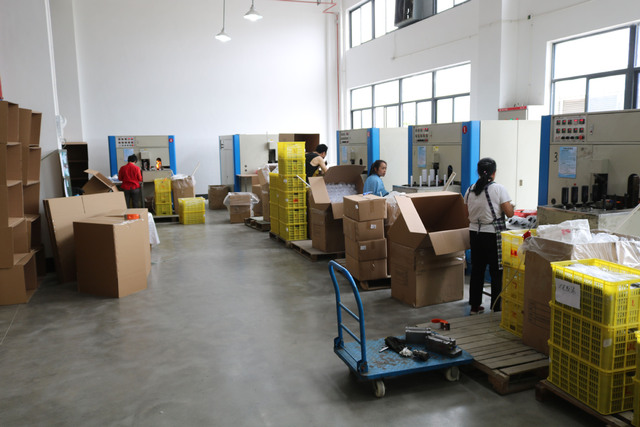
Operational photos demonstrating our woodwork craftsmanship, sorting lines, and global packaging systems.


 DRS Boards