Handling raw food safely is crucial for preventing foodborne illnesses. Many people may wonder, "what is the best way to handle raw food safely?" It starts with understanding the importance of hygiene. Clean hands and surfaces are essential. Washing your hands regularly can significantly reduce the risk of contamination.
Using separate cutting boards for raw meat and vegetables helps prevent cross-contamination. This practice is often overlooked but can make a big difference. Proper storage of raw food is also vital. Ensure that it is kept at the correct temperature. This helps to keep harmful bacteria at bay.
When cooking, use a food thermometer to check internal temperatures. It's easy to guess, but it's not the best practice. Some guidelines may seem strict, yet they are there for our safety. Reflecting on our habits can lead to better practices. Consider how you manage raw food in your kitchen. Small changes can lead to significant improvements.
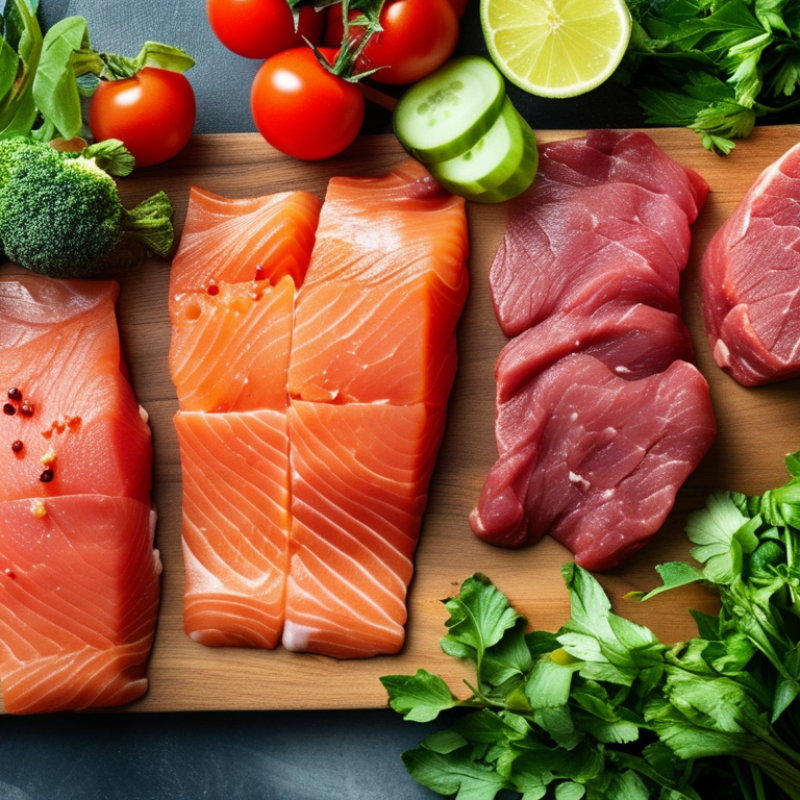
Handling raw food safely is crucial to prevent foodborne illnesses. Many people underestimate this aspect. Raw ingredients may harbor harmful bacteria. For instance, salmonella can linger on chicken surfaces. Ground beef is another common source. Maintaining cleanliness is vital. Always wash your hands before and after handling raw foods. A simple soap and water wash can make a big difference.
Cross-contamination is a significant risk. Use separate cutting boards for raw meat and vegetables. This practice minimizes the spread of bacteria. Storing raw foods at the correct temperatures is equally important. Refrigeration slows bacterial growth, but it doesn’t stop it. It’s easy to forget, but raw food should always be cooked to proper temperatures. Even a moment of carelessness can lead to risks.
We all make mistakes. Perhaps a forgotten raw chicken left out too long or using the same knife for different foods. These lapses highlight the need for conscious food practices. Awareness and education can help in reducing these incidents. Every small effort contributes to safer food handling. Keeping these points in mind can foster better kitchen habits.
Foodborne illnesses are a significant public health concern. According to the CDC, about 48 million people get sick each year due to contaminated food. Among these, raw foods are often culprits, especially eggs, meat, and seafood. Many individuals underestimate the risks of consuming these items. It's crucial to remain vigilant.
One essential tip for safely handling raw food is to keep surfaces and utensils clean. Bacteria thrive on dirty surfaces, so thorough cleaning reduces the risk of contamination. Another vital practice is to separate raw food from cooked items. This prevents cross-contamination. Using different cutting boards can help avoid mixing raw and ready-to-eat foods.
It's important to store raw food at safe temperatures. Keep meat and dairy refrigerated below 40°F (4°C). Be aware that improper thawing can also lead to bacterial growth. In fact, 30% of foodborne illnesses occur in the home due to mishandling food. Such statistics remind us of the importance of good hygiene and proper food management.
Handling raw food safely is crucial. Proper cleaning and sanitization of raw ingredients can prevent foodborne illnesses. According to the Centers for Disease Control and Prevention (CDC), nearly 48 million people get sick from food each year in the U.S. Many of these cases stem from poor hygiene practices.
Cleaning raw vegetables and fruits under running water is essential. Use a clean brush for firm produce like potatoes. This removes dirt and microorganisms. Research from the Food and Drug Administration (FDA) states that using soap is unnecessary. A simple rinse can suffice for most items, but some people may still overlook this step.
Raw meat is particularly risky. A separate cutting board for raw meat is vital to prevent cross-contamination. The USDA estimates that cutting boards can harbor bacteria if not cleaned properly. Regularly sanitize these boards with a diluted bleach solution and rinse thoroughly. However, some home chefs may skip sanitization. Understanding these techniques can improve kitchen safety and reduce risks.
Raw food can harbor dangerous pathogens. Temperature control is vital in preventing foodborne illnesses. Keeping food at the proper temperature inhibits bacterial growth. For meats, keep them below 40°F in the fridge and cook above 160°F to kill pathogens.
When preparing raw food, always wash your hands thoroughly. Use separate cutting boards for meat and vegetables. This prevents cross-contamination. Refrigerate leftovers quickly, ideally within two hours. If unsure, refrigerate sooner rather than later.
Be cautious with thawing methods. Never leave raw food at room temperature. Use the refrigerator or cold water. Always cook foods immediately after thawing when using cold water. Regularly check your refrigerator's temperature settings for safety. Small mistakes can lead to serious health risks.
Cross-contamination is a significant concern in food preparation. It occurs when pathogens are transferred from one surface or food item to another. This often happens when raw meat, poultry, or seafood is handled and then touches fresh vegetables or cooked food. To prevent this, always use separate cutting boards for raw and cooked foods. Color-coded boards can help, but it’s essential to internalize this practice.
Washing hands frequently is vital. Use hot, soapy water before and after handling raw foods. Ensure you clean your utensils and surfaces thoroughly. A simple solution of vinegar and water can disinfect kitchen surfaces effectively. Remember to pay extra attention to high-touch areas like countertops and sink handles.
Be mindful of your storage practices. Raw foods should always be stored below cooked foods in the refrigerator. This prevents dripping juices from contaminating ready-to-eat items. Using airtight containers can also minimize risks. While these practices may feel tedious, they are crucial for food safety. Reflect on your habits and make adjustments as necessary to protect yourself and others.
| Tip | Description |
|---|---|
| 1. Wash Hands | Always wash hands thoroughly with soap and water before and after handling raw food. |
| 2. Separate Cutting Boards | Use separate cutting boards for raw meat, poultry, and vegetables to prevent cross-contamination. |
| 3. Proper Cooking Temperatures | Ensure raw food is cooked to the right internal temperature to kill harmful bacteria. |
| 4. Clean Surfaces | Clean countertops and surfaces before and after food preparation. |
| 5. Avoid Raw Food Combinations | Avoid storing raw food with cooked food in the same containers or areas. |
| 6. Refrigerate Promptly | Promptly refrigerate raw food to prevent bacteria growth. |
| 7. Use Clean Utensils | Always use clean utensils when handling raw food, never reuse previously used ones without washing. |
| 8. Thaw Safely | Thaw raw food in the refrigerator, under cold water, or in the microwave, never at room temperature. |
| 9. Keep Raw and Cooked Foods Separate | Always store raw and cooked foods separately in the refrigerator to avoid contamination. |
| 10. Regularly Check Expiration Dates | Regularly check and discard expired raw food products to reduce the risk of foodborne illnesses. |
: Many illnesses are caused by consuming raw foods, especially eggs, meat, and seafood.
Keep surfaces and utensils clean. This reduces bacteria growth and the risk of illness.
Use separate cutting boards for raw and cooked foods. This prevents pathogens from spreading.
Store meat and dairy below 40°F (4°C) in the refrigerator for safety.
Never leave raw food at room temperature. Use the refrigerator or cold water.
Always store raw foods below cooked foods to avoid contamination from dripping juices.
Washing hands frequently is vital, especially before and after handling raw foods.
Refrigerate leftovers quickly, ideally within two hours, to prevent bacterial growth.
A simple vinegar and water solution can disinfect surfaces effectively.
Regularly check your storage habits and temperature settings to ensure proper food safety practices.
Handling raw food safely is crucial to preventing foodborne illnesses, which can have serious health implications. Understanding safe practices is essential, as statistics reveal a significant number of illnesses stem from improper handling of raw foods. The best way to handle raw food safely includes essential techniques for cleaning and sanitizing ingredients thoroughly, as well as maintaining proper temperature control to deter harmful pathogens.
Additionally, preventing cross-contamination during food preparation is vital. By following best practices, such as using separate cutting boards for raw and cooked foods and washing hands frequently, individuals can significantly reduce the risk of foodborne diseases. Ultimately, implementing these practices ensures a safer cooking environment and promotes overall health.

DRS Boards