Maintaining kitchen knives properly is essential for any cooking enthusiast. While many of us use these tools daily, we often overlook their care. A dull knife can be dangerous and inefficient. Understanding how to maintain kitchen knives properly ensures safety and enhances performance.
Regularly sharpening and honing your knives is a key step. Use a whetstone or honing rod to keep edges aligned. Cleaning your knives after each use also prevents rust and contamination. Avoid the dishwasher; hand-washing is always best.
Storage matters too. Consider a knife block or magnetic strip to prevent blade damage. Keeping knives separated protects their sharpness. Lastly, routine inspections reveal issues that need addressing. Minor nicks can become major problems if ignored, leading to costly replacements. Reflecting on your knife care routine can lead to improvements and better cooking experiences.
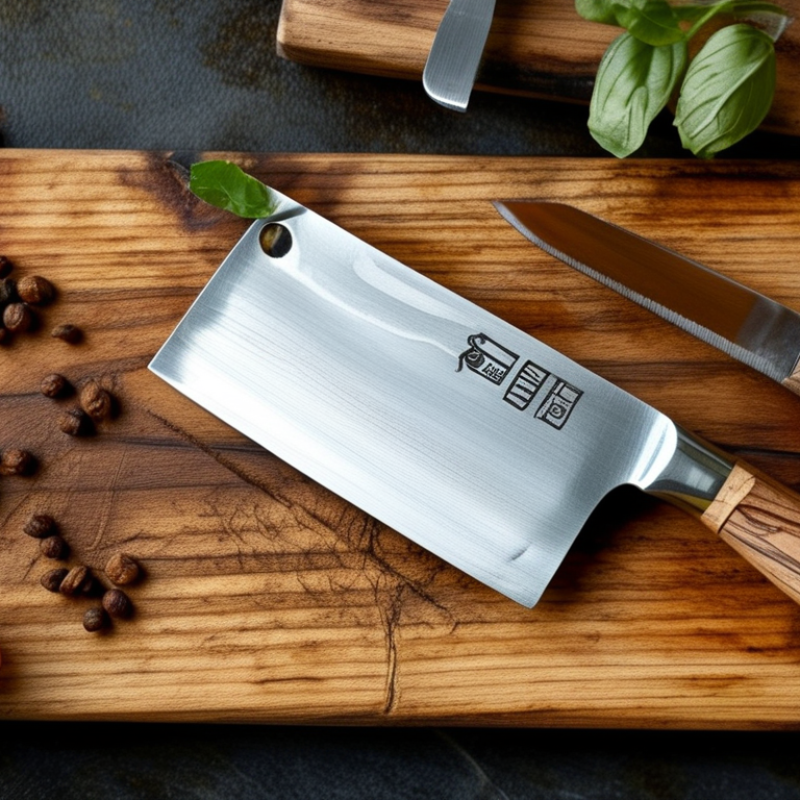
Choosing the right knives for your kitchen is essential for both safety and efficiency. A well-chosen knife can make meal preparation faster and more enjoyable. Consider the types of food you often prepare. If you often chop vegetables, a sturdy chef's knife is a great option. It can handle a variety of tasks, from slicing to dicing.
Weight and balance in a knife matter. A heavy knife can be tiring to use for long periods. Conversely, a very light knife may lack the power needed for tougher ingredients. Test different options in your hand. Feel the grip and try some basic cuts. This experience will help you determine what works best for you.
You might also want to consider specialty knives. If you enjoy baking, a serrated knife can be beneficial for cutting bread. A paring knife is useful for intricate tasks, like peeling or trimming. However, avoid overloading yourself with too many knives. It's better to have a few versatile tools than an overflowing drawer. Each knife should have a purpose, but practicality should guide your choices.
Keeping your kitchen knives clean is essential for their longevity and performance. Always wash knives right after use. Food residues can corrode the blade if left unattended. Use warm water and mild soap for cleaning. Avoid abrasive sponges as they can scratch the blade. Just a gentle wipe with a soft cloth can suffice.
Drying is as important as washing. After rinsing, make sure to dry your knives immediately. This prevents moisture from causing rust. Store knives in a protective manner. Magnetic strips or sheaths are ideal. They keep the blades safe and help maintain their sharpness.
Regularly check for any signs of wear. Over time, even the best knives may need some professional attention to keep them in top shape.
There’s a learning curve in proper knife maintenance. You may forget to clean right away. It happens. Reflection on habits can lead to improvement. Each time you pick up a knife, think about its care. Mindfulness in using and cleaning your tools enhances your culinary experience.
Maintaining the sharpness of your kitchen knives is crucial for effective food preparation. One effective method is the use of whetstones. These stones come in various grits, allowing for both sharpening and honing. Start with a coarser grit to reshape dull edges, then progress to finer grits for a polished finish. Ensure you maintain a consistent angle, typically around 15-20 degrees. This angle helps retain the knife’s edge longer.
Another practical approach is using honing rods. These tools are designed to realign the blade's edge rather than remove material. It's essential to use them regularly, even when knives appear sharp. Simply swipe the blade along the rod, maintaining the proper angle. This method is quick and can be done after each use.
Despite these methods, many people struggle with technique. Misalignment can lead to uneven edges, causing frustration. Reflect on your sharpening skills regularly. Consider recording your sharpening sessions to observe improvements and identify weaknesses. Over time, this attention to detail can transform your skills and the overall performance of your knives.
Storing your kitchen knives properly can greatly extend their lifespan and maintain sharpness. A knife block is a common choice. Make sure it’s clean and dry before placing your knives inside. A wooden block can absorb moisture, which may lead to rust over time. Magnetic strips are also great for keeping knives accessible and visible. However, make sure the strip is securely fastened to the wall to avoid accidents.
If you prefer drawer storage, use a knife guard or sleeve for each blade. This prevents dullness and accidental cuts. Avoid tossing your knives in with other utensils. They can collide and damage each other. Some might think it is easier, but this can lead to regret when your knife's edge is compromised.
The condition of your storage area matters too. Keep your knives away from damp environments. Humid conditions can lead to rust and deterioration. It's also a good idea to clean and dry your knives after each use. This routine, though simple, prevents longer-term issues. Do not ignore it; little habits can lead to big problems.
Maintaining kitchen knives requires consistent routines to prolong their life. One crucial aspect is regular cleaning. After each use, knives should be washed with warm, soapy water. Avoid soaking them for long periods. This prevents rust and corrosion. Drying them immediately is essential. Water spots can develop quickly, leading to staining.
Sharpening is another key routine. A dull knife can be more dangerous than a sharp one. Use a honing rod or whetstone regularly, depending on your skill level. Even experienced cooks sometimes neglect this aspect. It’s easy to forget, but doing it weekly can make a difference in performance. Additionally, storage matters. Keeping knives in a designated block or magnetic strip helps maintain sharp edges. Avoid tossing them in a drawer with other utensils. This simple step reduces accidents and damage.
Lastly, be mindful of how you use knives. Cutting on hard surfaces can dull the blade quickly. Using wooden or plastic cutting boards can make a substantial difference. While these tips may seem straightforward, many overlook them in daily routines. Regular maintenance takes effort, but the benefits are clear. A well-maintained knife is not only more efficient but also safer.
: Regularly sharpen and hone them using whetstones or honing rods. Consistent angle is key.
A 15-20 degree angle is recommended for maintaining the knife's edge.
Use a clean knife block or magnetic strip. Avoid damp areas to prevent rust.
Wash them with warm, soapy water and dry immediately to prevent staining.
A dull knife is dangerous. Regular honing helps retain sharpness and safety.
Avoid hard surfaces. Use wooden or plastic cutting boards to preserve the blade.
Aim to sharpen them weekly. Consistency improves performance and safety.
Start with a coarser grit on a whetstone, then progress to finer ones for a polished edge.
No, don't toss them together. This can lead to damage and unsafe conditions.
Record your sessions. Analyze your technique for better results and consistent sharpening.
In the pursuit of knowing how to maintain kitchen knives properly, several essential practices come into play. First, selecting the right knives for your specific kitchen tasks lays the foundation for effective cooking. Following this, employing proper cleaning techniques—such as hand washing instead of using a dishwasher—ensures your knives remain free from damage. Moreover, learning effective sharpening methods is crucial to keep your knife edges sharp and functional.
Storing your knives properly is another key aspect, as using a knife block or magnetic strip can prevent dullness and accidental damage. Finally, establishing a regular maintenance routine will significantly enhance the longevity of your kitchen knives. By adhering to these guidelines, you can ensure your kitchen knives perform optimally and last for years to come.

DRS Boards