How to Clean and Maintain Your Kitchen Accessories Effectively?

Time:2026-05-13 Author:Mason
0%

Maintaining a clean kitchen is essential for a healthy home. Understanding how to clean and maintain kitchen accessories can enhance both functionality and longevity. Regular upkeep not only ensures hygiene but also improves the aesthetic appeal of your kitchen.

Kitchen tools come in various materials, each requiring specific care. For instance, wooden utensils need moisturizing, while stainless steel can withstand rigorous scrubbing. It's important to know these nuances. Neglecting routine cleaning can lead to bacterial buildup and kitchen accessories that wear out prematurely.

While it may seem overwhelming, a structured cleaning routine can simplify the process. Consider developing a schedule that fits your lifestyle. Reflecting on your current habits may reveal areas needing improvement. Making small changes can lead to a noticeably cleaner kitchen atmosphere.
How to Clean and Maintain Your Kitchen Accessories Effectively?

Understanding the Importance of Regular Kitchen Accessory Maintenance

Maintaining kitchen accessories is crucial for overall hygiene. According to a report by the National Sanitation Foundation, 75% of kitchen utensils harbor harmful bacteria. Regular cleaning minimizes the risk of foodborne illnesses. Many people underestimate this importance. They might wash dishes but neglect other tools, like cutting boards and knives.

Proper maintenance extends the lifespan of these accessories. The American Cleaning Institute states that well-maintained items can last up to 50% longer. Yet, users often overlook minor wears and tears. A small chip on a knife can lead to uneven cuts and affect food quality. Ignoring such issues can result in bigger problems down the line.

Many kitchen tools require specific cleaning techniques. For example, wooden utensils absorb moisture and should not be soaked. This can lead to cracks and deterioration. Reflecting on past mistakes, some may find that improper care damaged valuable items. Awareness and consistent maintenance strategies are essential for a safe and efficient kitchen.

How to Clean and Maintain Your Kitchen Accessories Effectively?

Accessory Cleaning Method Maintenance Frequency Notes
Cutting Board Wash with hot soapy water, rinse, and dry After each use Oil with mineral oil monthly
Chef's Knife Hand wash and dry immediately After each use Sharpen regularly
Non-stick Pan Wash with soft sponge and mild detergent After each use Avoid metal utensils
Food Processor Disassemble and wash parts separately After heavy use Check blades for sharpness
Oven Mitts Machine wash or hand wash with mild detergent Monthly Replace if damaged

Essential Tools for Effective Kitchen Cleaning and Maintenance

Cleaning and maintaining kitchen accessories is crucial for both hygiene and longevity. Essential tools play an important role in this process. According to a study by the American Cleaning Institute, nearly 80% of households consider kitchen cleanliness vital. Basic tools such as microfiber cloths, non-toxic cleaners, and sturdy scrub brushes are central to effective kitchen care.

Microfiber cloths can capture up to 99% of bacteria when used properly, making them a favorite among professionals. They are especially effective for wiping down surfaces without the need for harsh chemicals. Scrub brushes should have durable bristles to handle tough grime. A good scrub brush can make a difference when cleaning pots and pans. Research shows that neglected tools can harbor bacteria, leading to foodborne illnesses.

In addition to these tools, it's essential to consider storage solutions. Clutter can make cleaning difficult. A well-organized kitchen can reduce cleaning time by 30%. Reflect on your own setup. Are your tools within reach? Assessing your organization can identify areas needing improvement. Emphasizing a cleaner workspace will encourage a more efficient cleaning routine.

Step-by-Step Guide to Cleaning Different Kitchen Materials Safely

Cleaning kitchen accessories is essential for maintaining a safe cooking environment. This step-by-step guide will help you clean various kitchen materials effectively.

When cleaning stainless steel, use a mixture of vinegar and water. This solution removes fingerprints and grime. Use a soft cloth to avoid scratches. Experts suggest that regular care can prolong the life of your stainless steel items. A study showed that 80% of consumers admit they underestimate the importance of this material's maintenance.

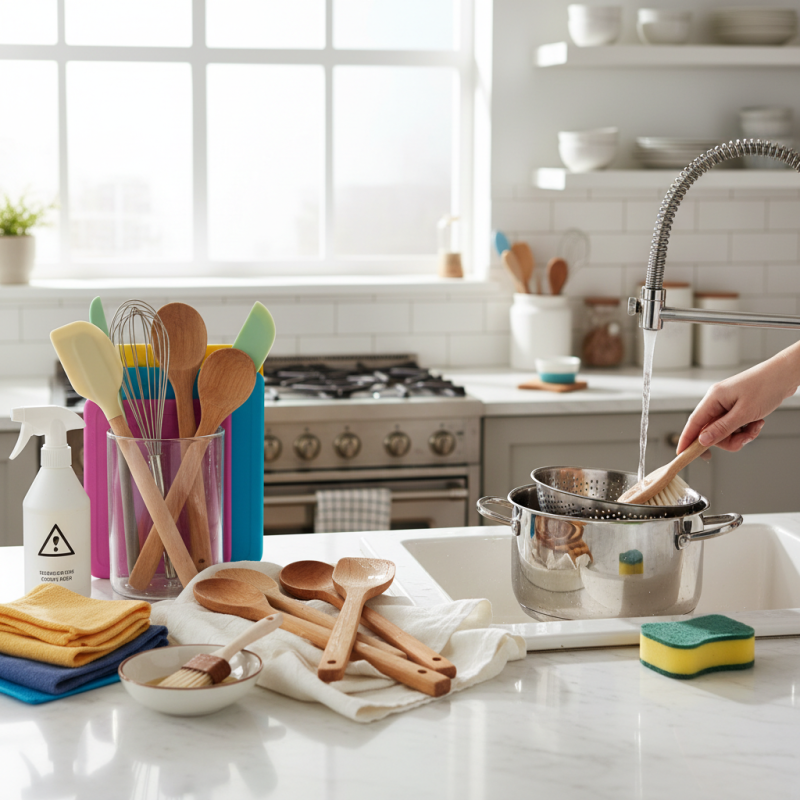
For wooden utensils, avoid soaking them in water. Instead, wipe them with a damp cloth and mild soap. Over time, wood can crack or warp if not properly maintained. Stirring a pot with a warped wooden spoon can lead to uneven cooking. Regular oiling with mineral oil can keep wood moisturized.

Glass cookware requires a gentle approach. A paste of baking soda and water works wonders for tough stains. Remember to dry them thoroughly to prevent water spots. A survey indicated that over 60% of people struggle with cleaning glass effectively.

Tips:
- Always read care instructions.
- Don’t mix cleaning products.
- Test a small area first.

These simple strategies will ensure your kitchen accessories remain in great shape while enhancing your cooking experience.

Best Practices for Sanitizing Kitchen Accessories to Prevent Cross-Contamination

Keeping your kitchen accessories sanitized is crucial to prevent cross-contamination. Research indicates that 48% of foodborne illnesses arise from improper handling of kitchen tools. Regular cleaning and sanitizing help to mitigate these risks effectively.

Use warm soapy water to clean utensils and cutting boards after each use. Pay attention to grooves and seams where bacteria often hide. For non-porous surfaces, a diluted bleach solution can be effective. Allow the solution to sit for at least one minute before rinsing. Remember that wooden boards require special care. They should be oiled regularly to maintain their surface while applying vinegar to sanitize them.

Tip: Use color-coded cutting boards to prevent cross-contamination. Assign one color for raw meat, another for vegetables, and so on. This simple practice greatly reduces the risk of harmful bacteria spreading.

Additionally, don't forget about frequently touched items like handles and knobs. These surfaces can harbor pathogens even after cooking. A regular cleaning schedule can help maintain their sanitation. Studies show that routine cleaning reduces the likelihood of illness by up to 30%.

Tip: Invest in a food-safe sanitizer that effectively kills germs without leaving harmful residues. Always follow the manufacturer’s instructions for safe use. The journey to a safe kitchen starts with conscientious cleaning practices.

Seasonal Maintenance Tips for Prolonging the Longevity of Kitchen Equipment

When it comes to kitchen accessories, seasonal maintenance is key for their longevity. Regular checks of utensils, pots, and appliances can help prevent unexpected failures. For instance, look at the condition of wooden spoons and cutting boards. They may show signs of wear, which affects both hygiene and usability. Treat them with food-safe mineral oil to restore their finish and keep them functional.

The change of seasons is a great reminder to deep clean items often overlooked. Inspect your oven and refrigerator for any built-up grime. Clean the filters in small appliances like blenders and food processors. These tiny elements impact efficiency. Pay attention to stove burners; they often accumulate grease and can affect cooking performance.

Don't forget about storage areas, too. Seasonally declutter drawers and cabinets to remove items you no longer need. This can be a tough process; it requires reflecting on what is truly essential in your kitchen. Identify the tools that frequently aid your cooking. Conversely, let go of duplicates and rarely used gadgets. This thoughtful approach ensures your kitchen remains organized and functional for every culinary adventure.

FAQS

: Why is kitchen accessory maintenance important?

: Regular maintenance ensures hygiene and minimizes the risk of foodborne illnesses caused by harmful bacteria.

How can I extend the lifespan of my kitchen tools?

Proper maintenance, like regular cleaning, can make tools last up to 50% longer than neglected items.

What should I avoid when cleaning wooden utensils?

Never soak wooden utensils in water. This can cause cracks and deterioration over time.

What cleaning method works best for stainless steel?

A vinegar and water mixture effectively cleans stainless steel without scratching its surface.

How should I care for glass cookware?

For tough stains, use a baking soda paste. Always dry glass thoroughly to prevent water spots.

How can I prevent cross-contamination in the kitchen?

Use color-coded cutting boards for raw meat and vegetables to reduce harmful bacteria spread.

What should I clean after every cooking session?

Clean utensils and cutting boards with warm soapy water, especially grooves where bacteria hide.

How often should I sanitize frequently touched items?

Regular cleaning of surfaces like handles and knobs keeps pathogens at bay and reduces illness risk.

What happens if I neglect minor damages on kitchen tools?

Small issues, like a chipped knife, can lead to bigger problems affecting food quality and safety.

Why is reading care instructions important?

Care instructions provide essential guidance to avoid damage and ensure effective cleaning of kitchen items.

Conclusion

Regular maintenance of kitchen accessories is crucial for ensuring hygiene and extending their lifespan. To effectively learn how to clean and maintain kitchen accessories, it's important to understand the different materials used in these tools and the specific cleaning methods suited for each. Essential cleaning tools, such as sponges, brushes, and eco-friendly cleaning solutions, play a significant role in this process.

Following a step-by-step guide for cleaning various kitchen materials can help maintain their integrity while also preventing cross-contamination. Implementing best practices for sanitization is vital, as it protects your food from harmful bacteria. Additionally, seasonal maintenance tips can further enhance the longevity and functionality of your kitchen equipment, ensuring that it remains in top condition for all your culinary needs. By prioritizing these practices, you can effectively manage the cleanliness and durability of your kitchen accessories.

Mason

Mason

Mason is a seasoned marketing professional with a deep expertise in the company's offerings and a passion for driving brand awareness. With a strong background in digital marketing strategies, he has an innate ability to connect with diverse audiences and effectively communicate product benefits.......